CHARGED! The Story of Beersheba
Project Overview: A Study of the Battle
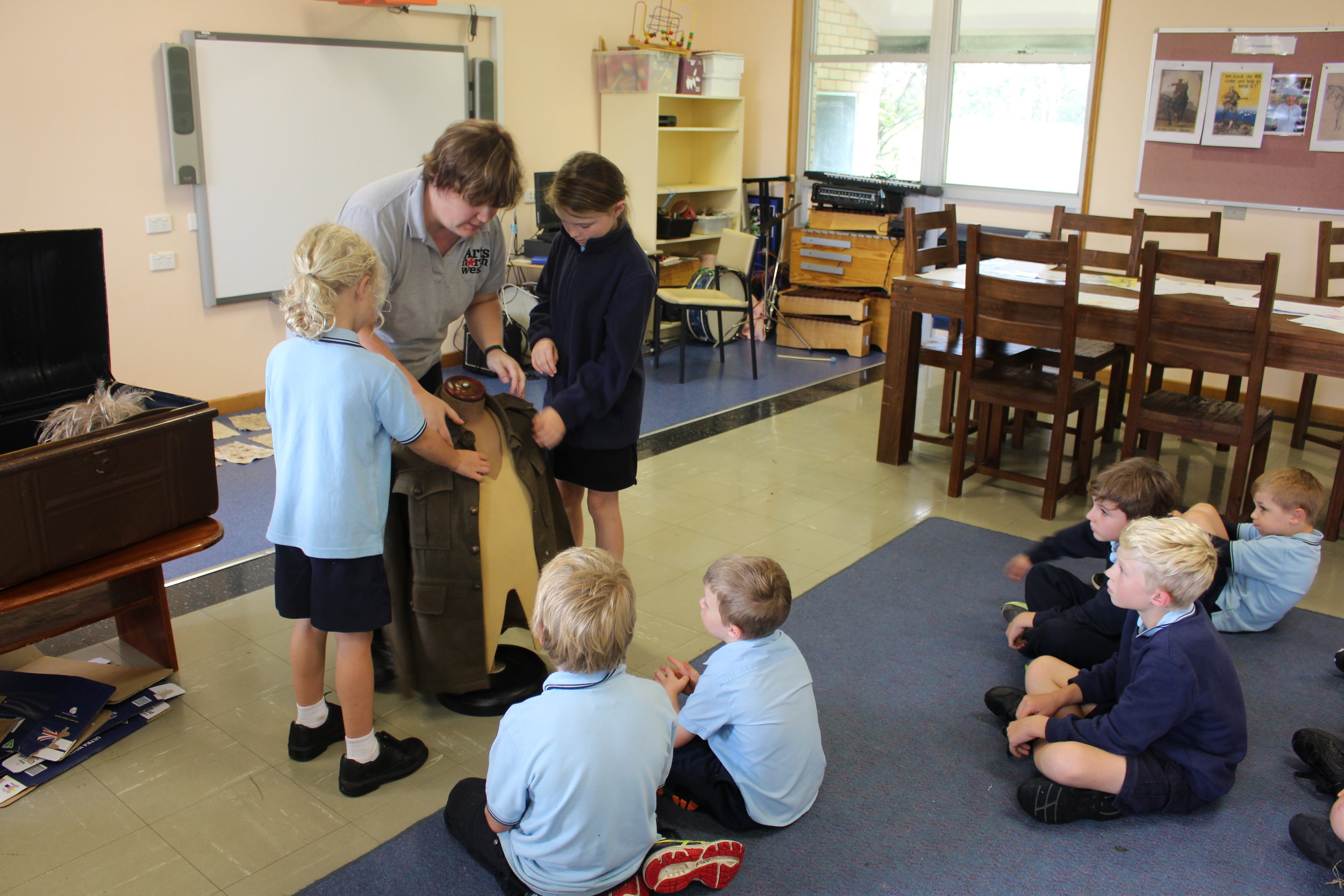
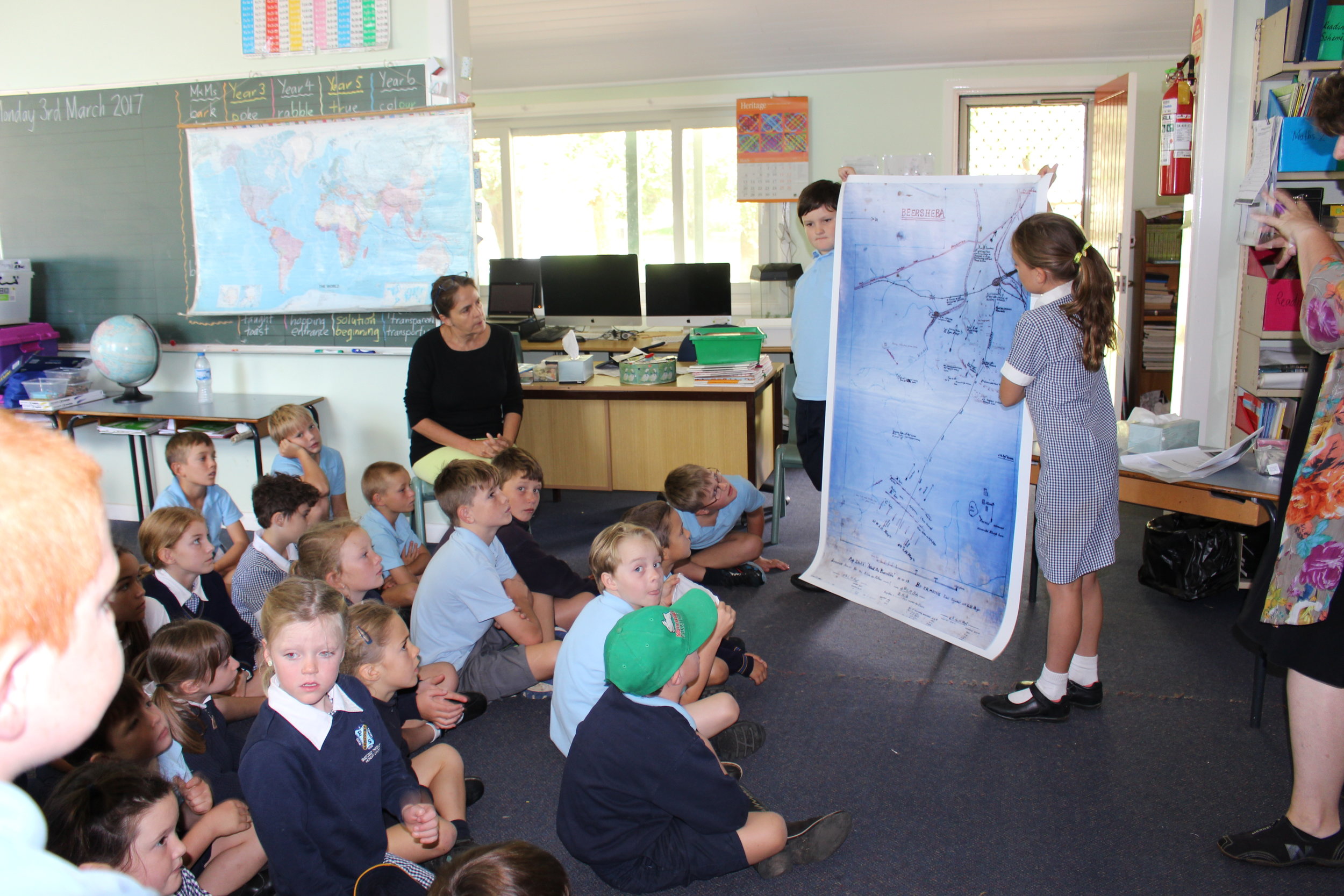
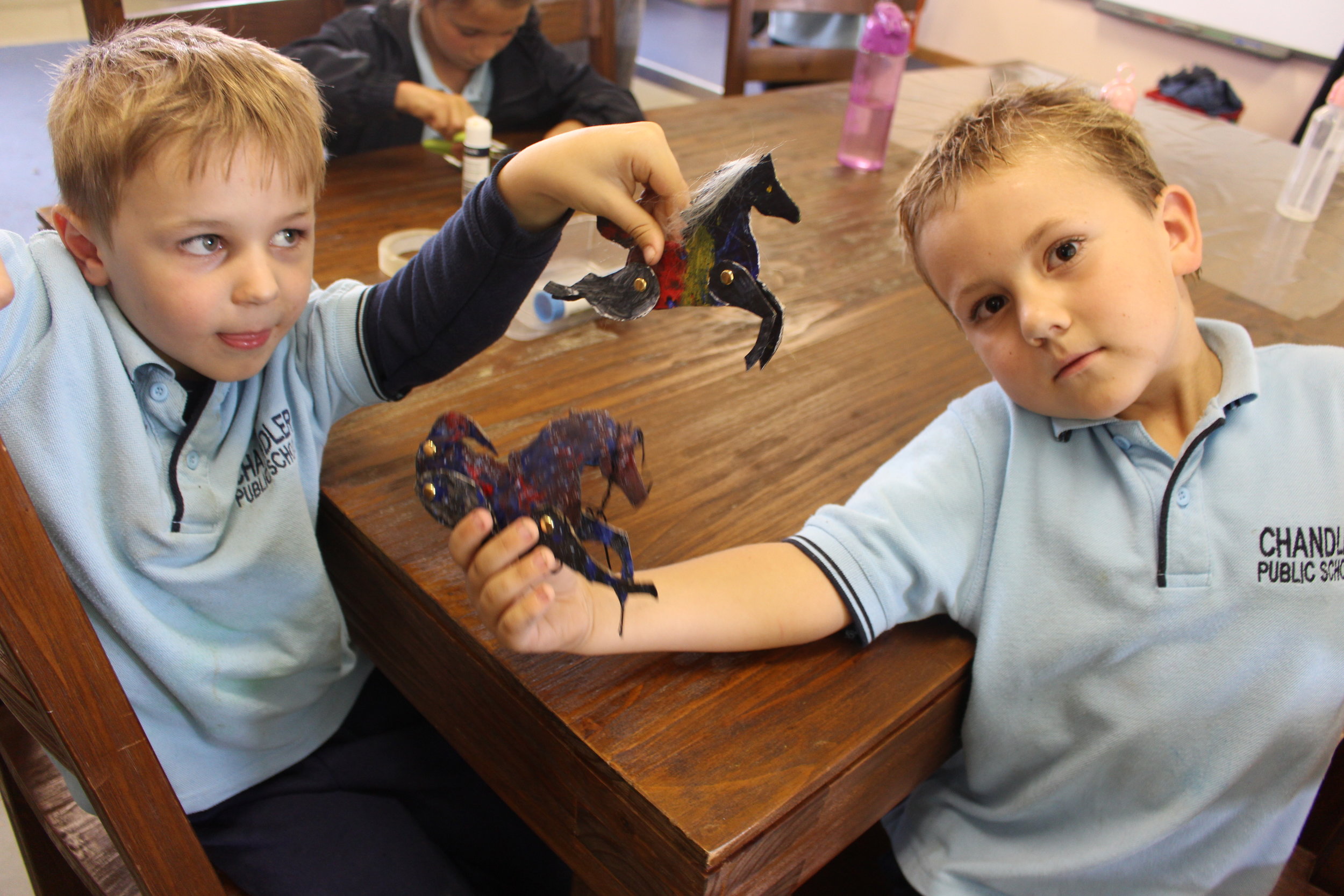
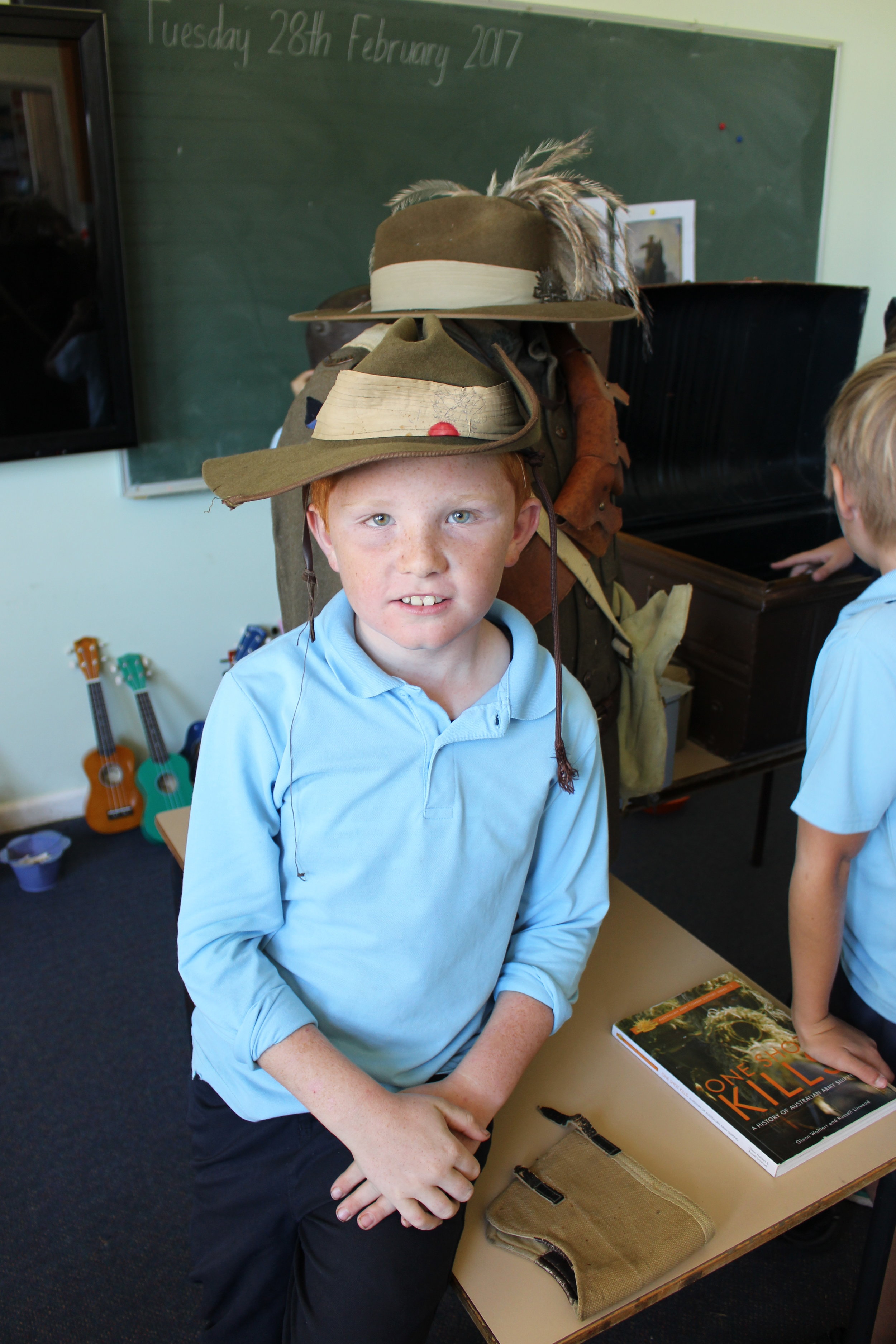
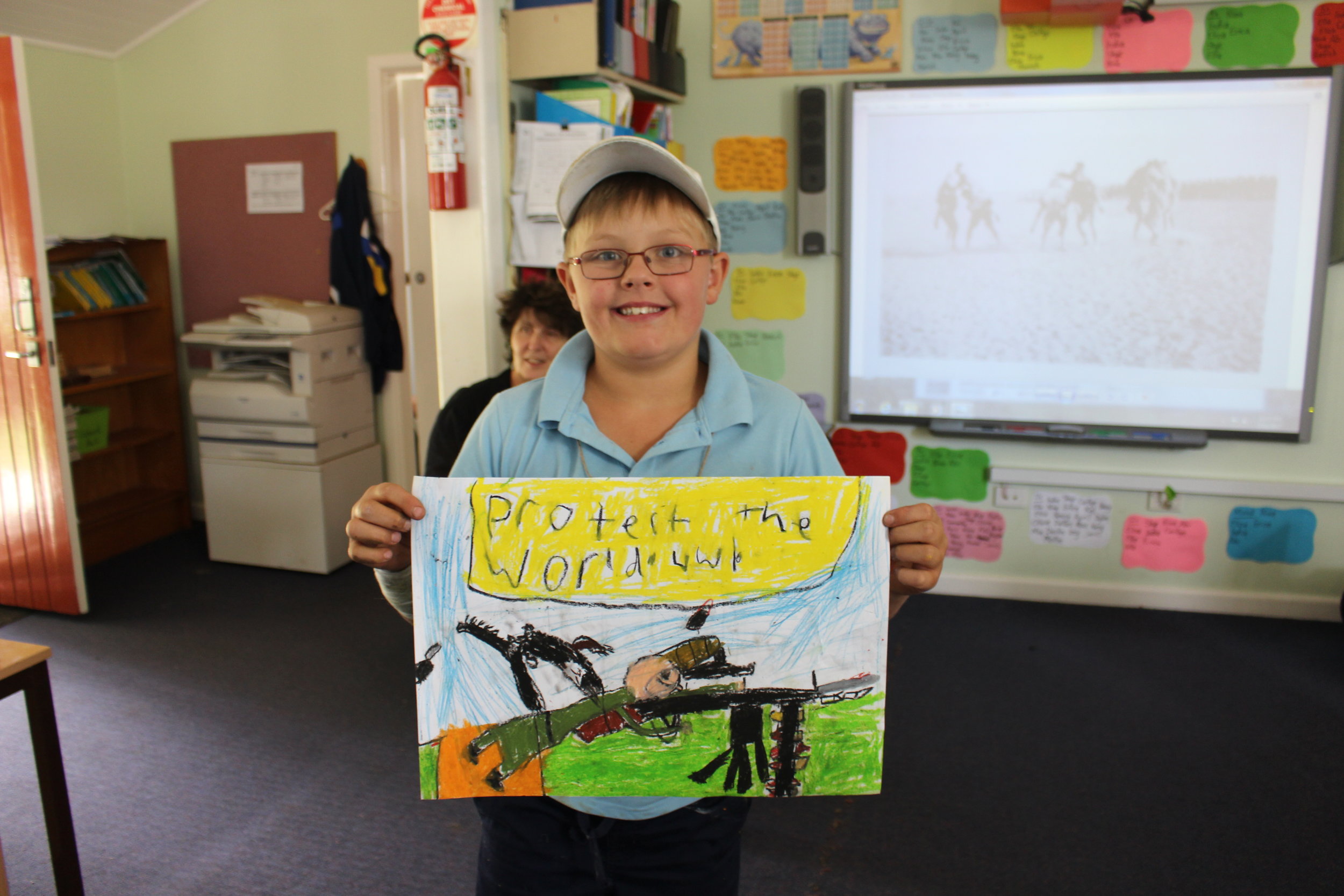
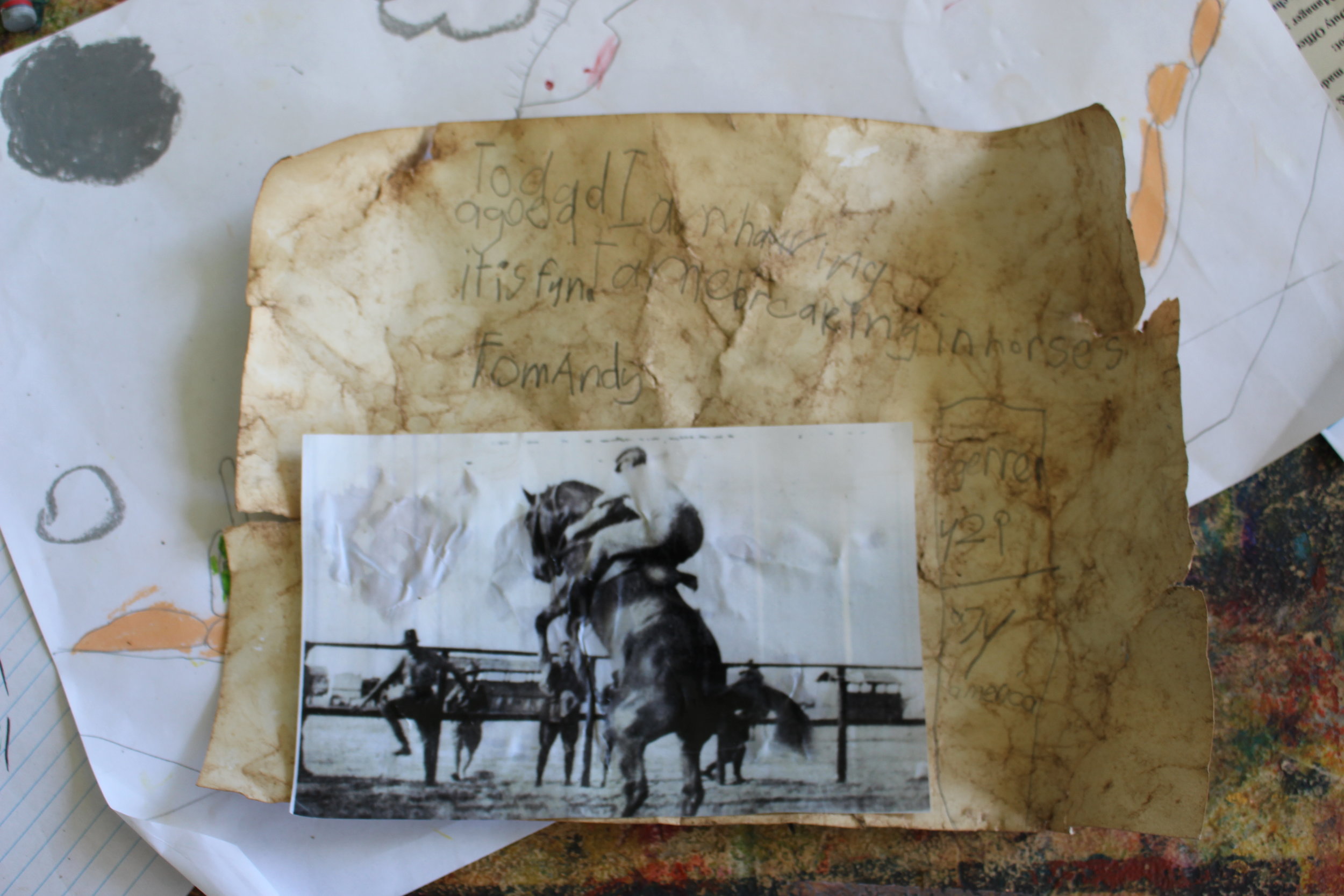
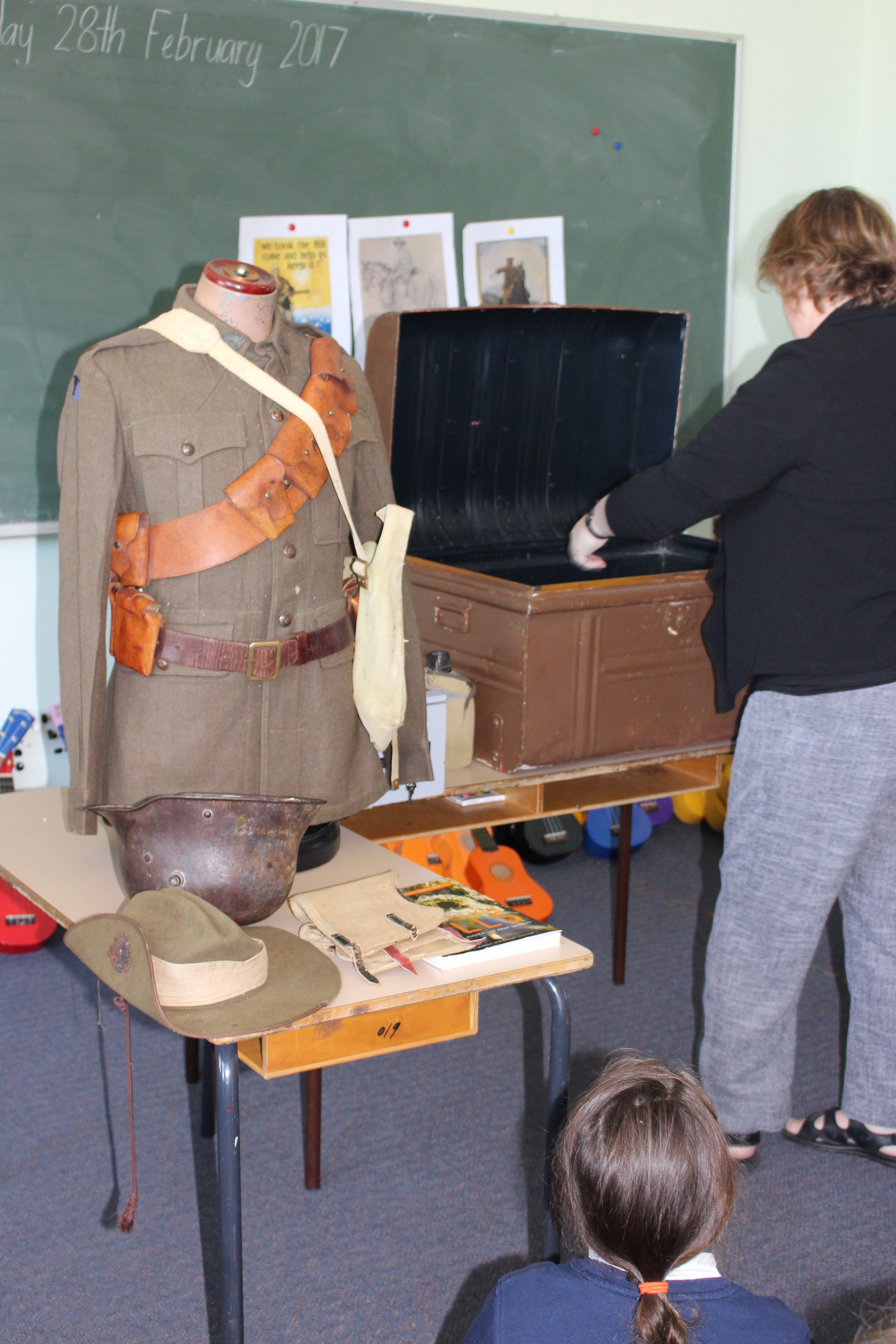
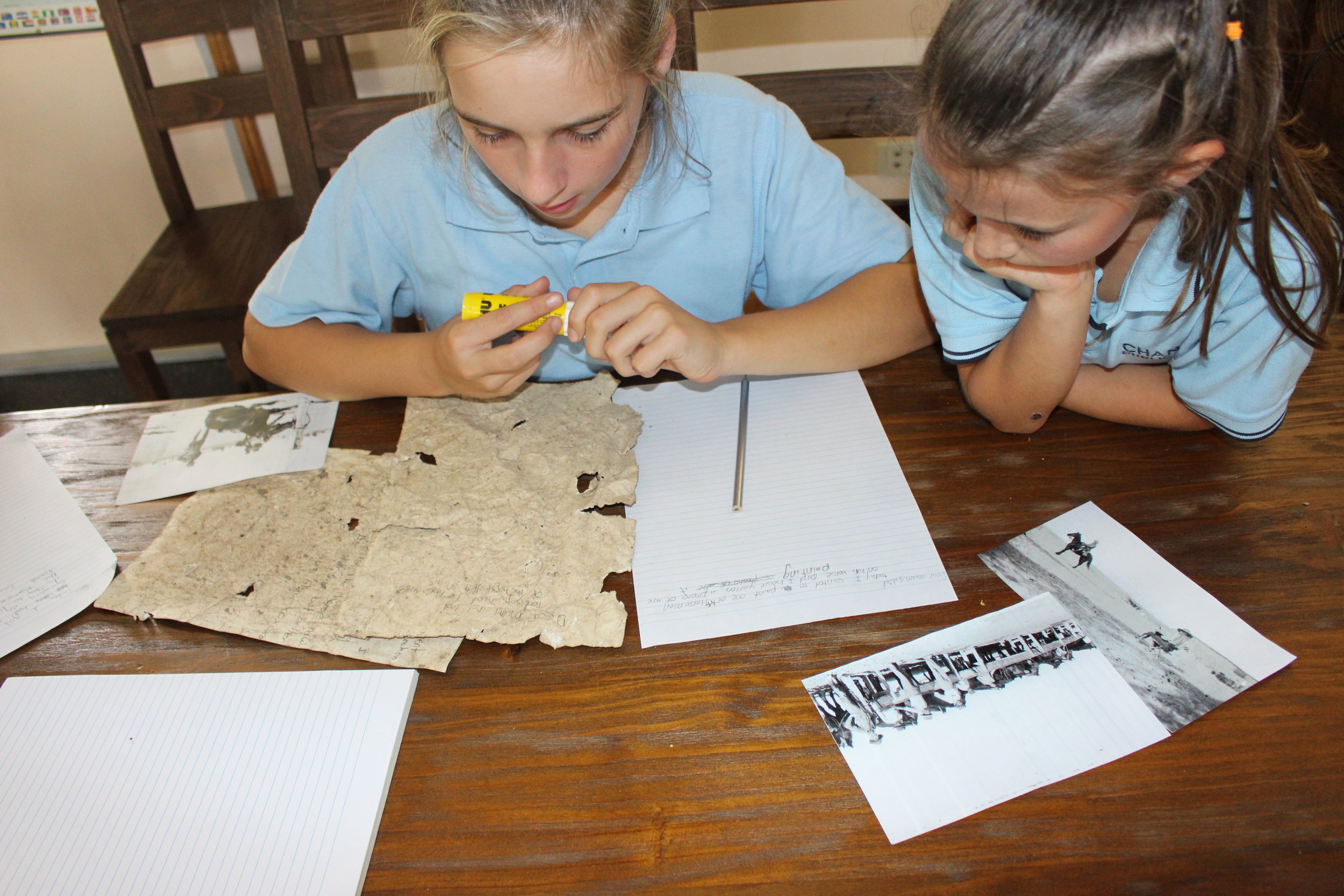
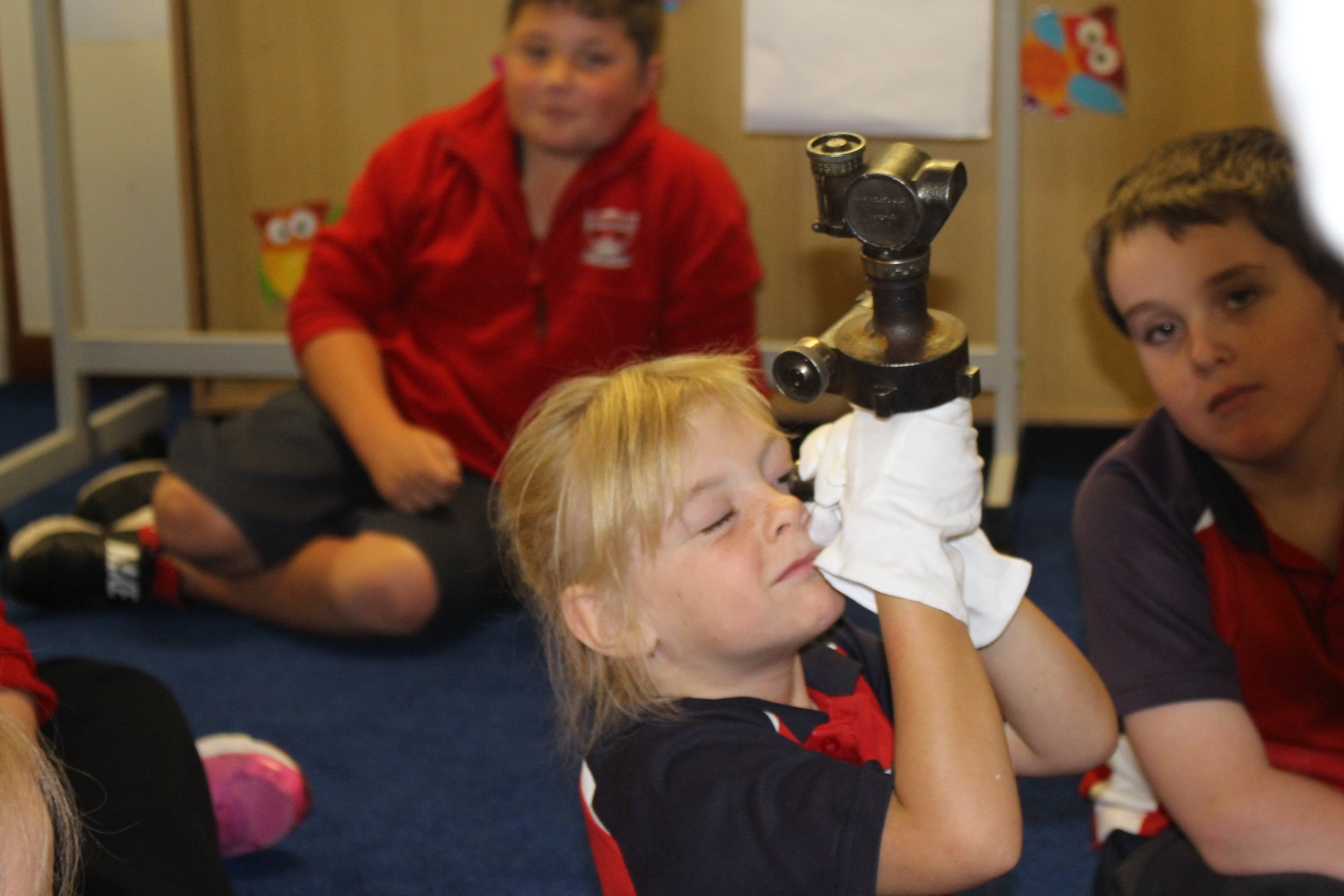
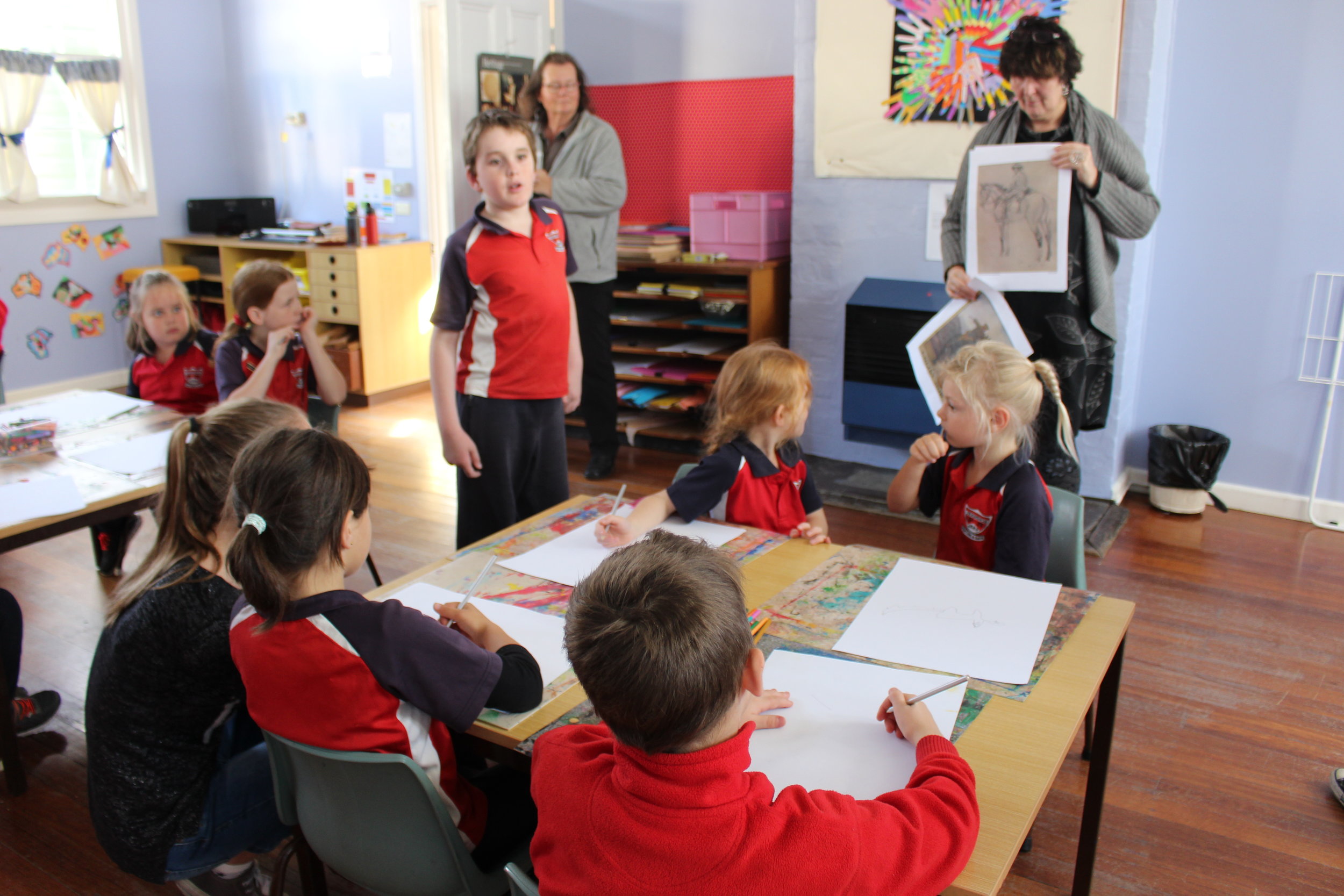
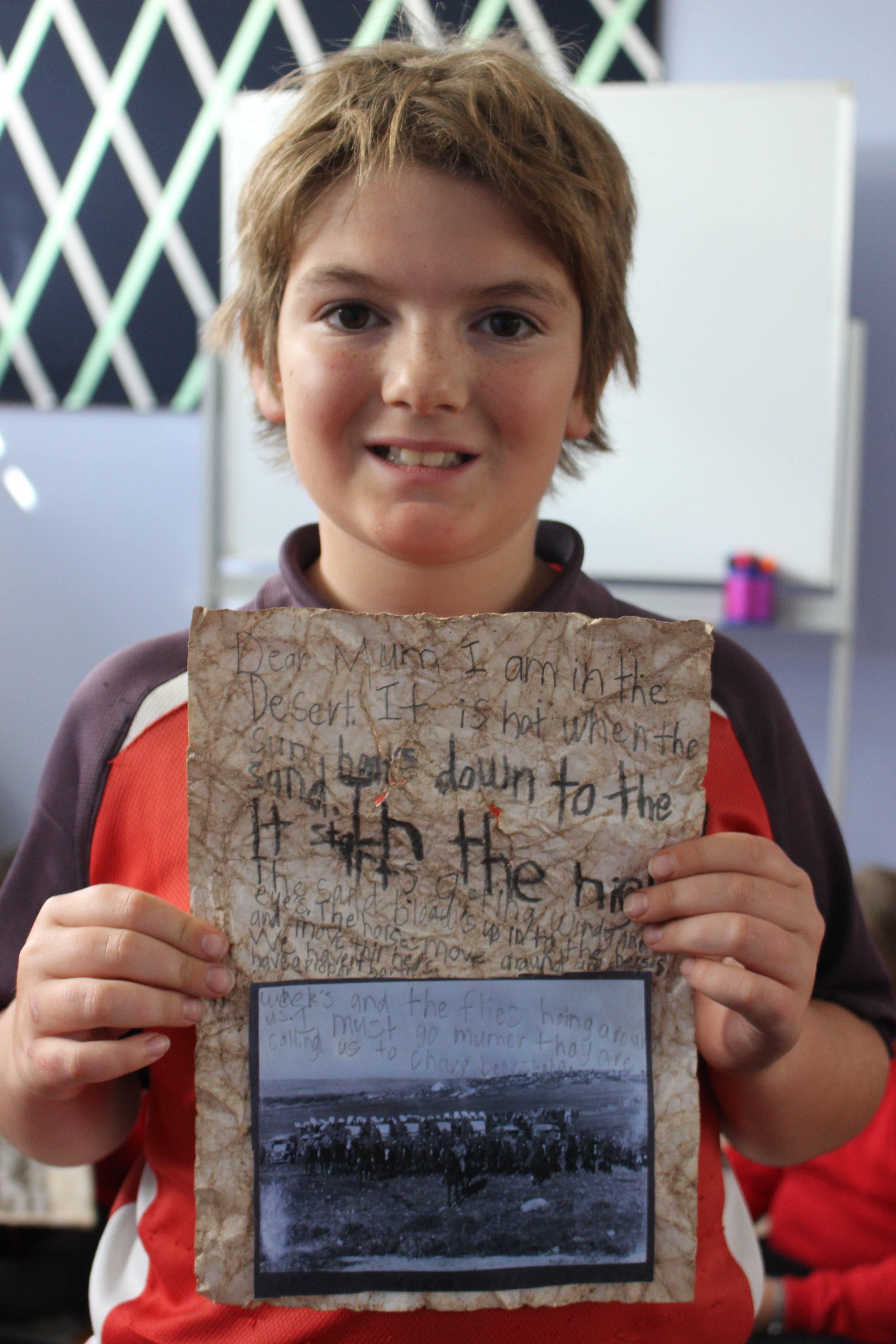
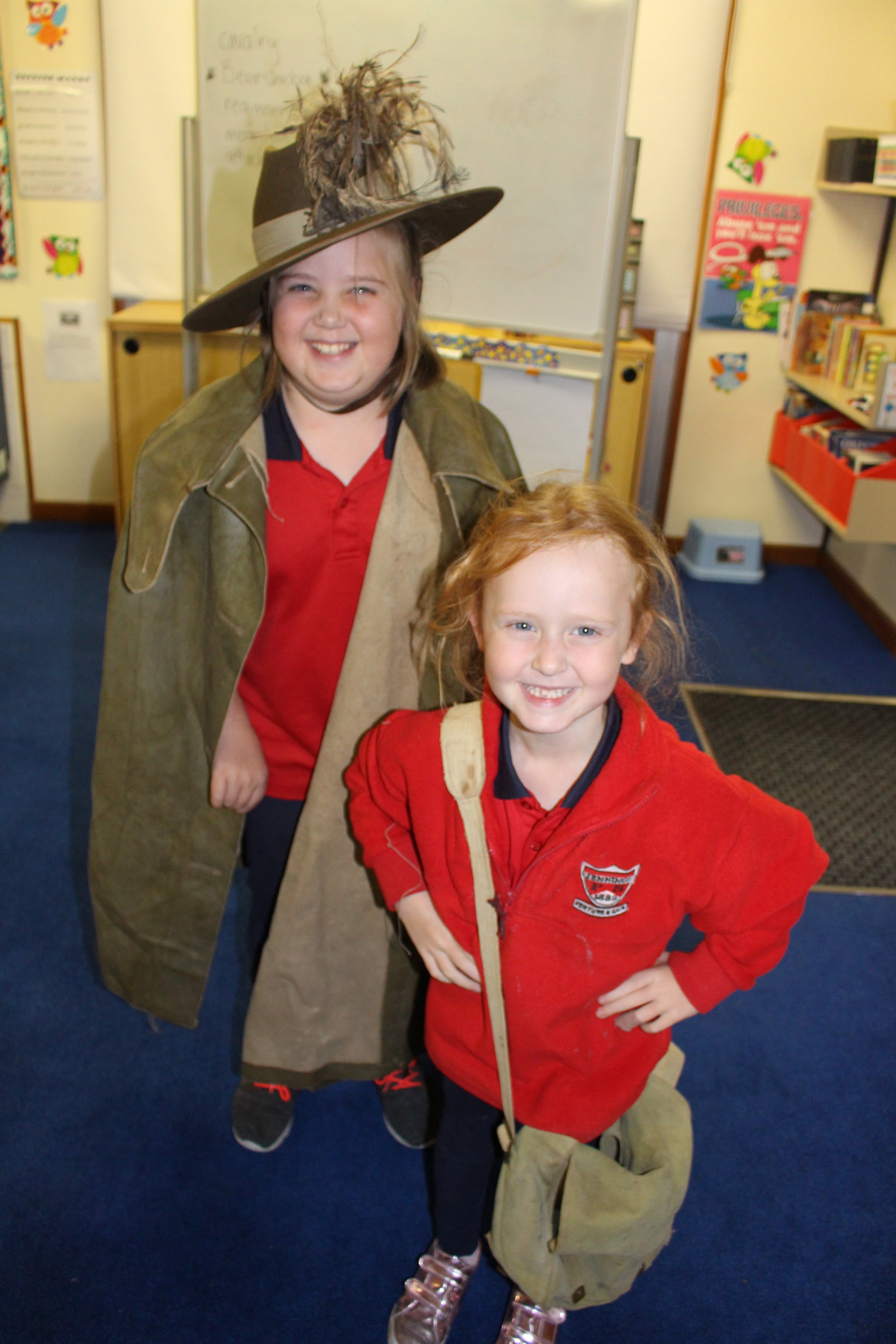
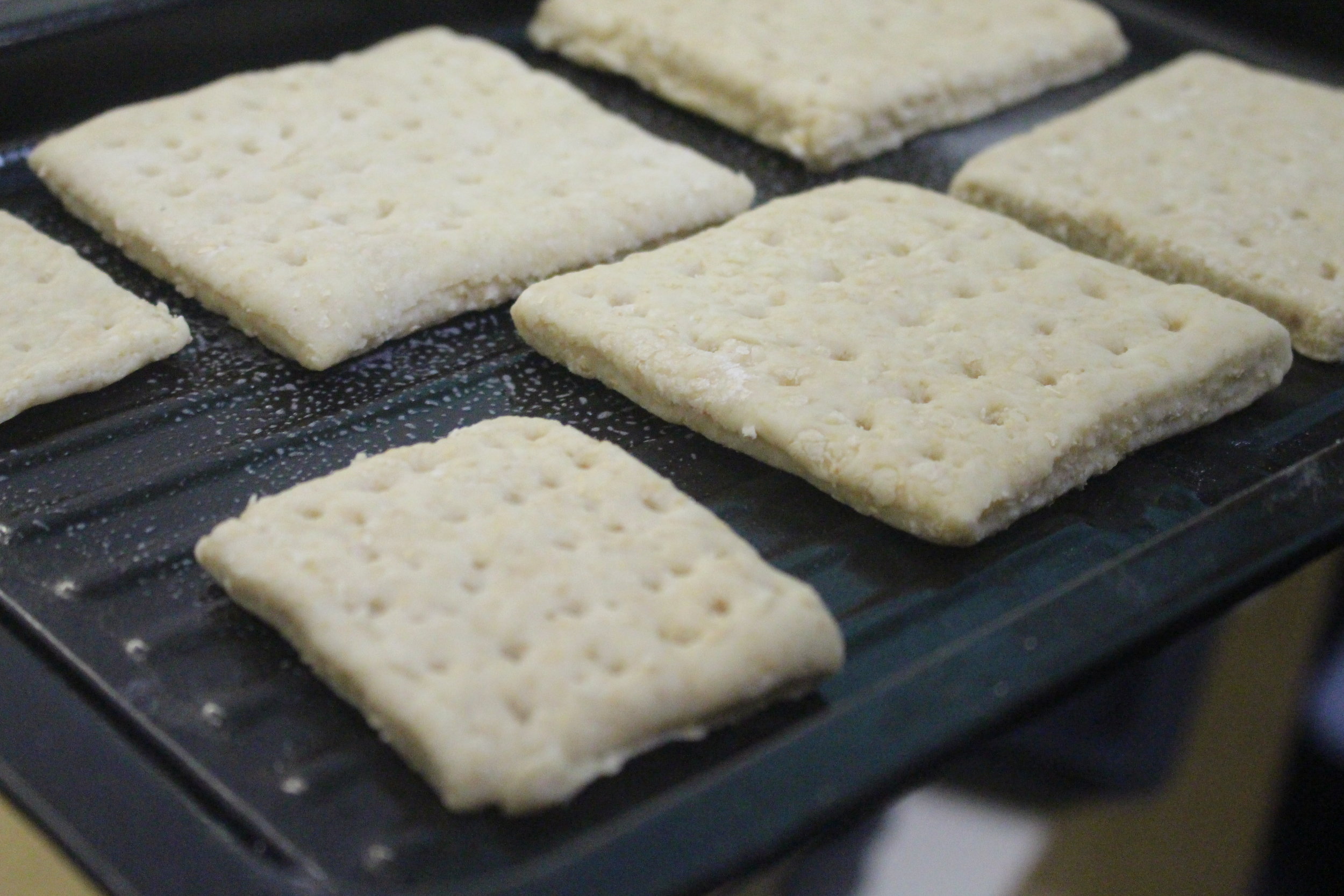
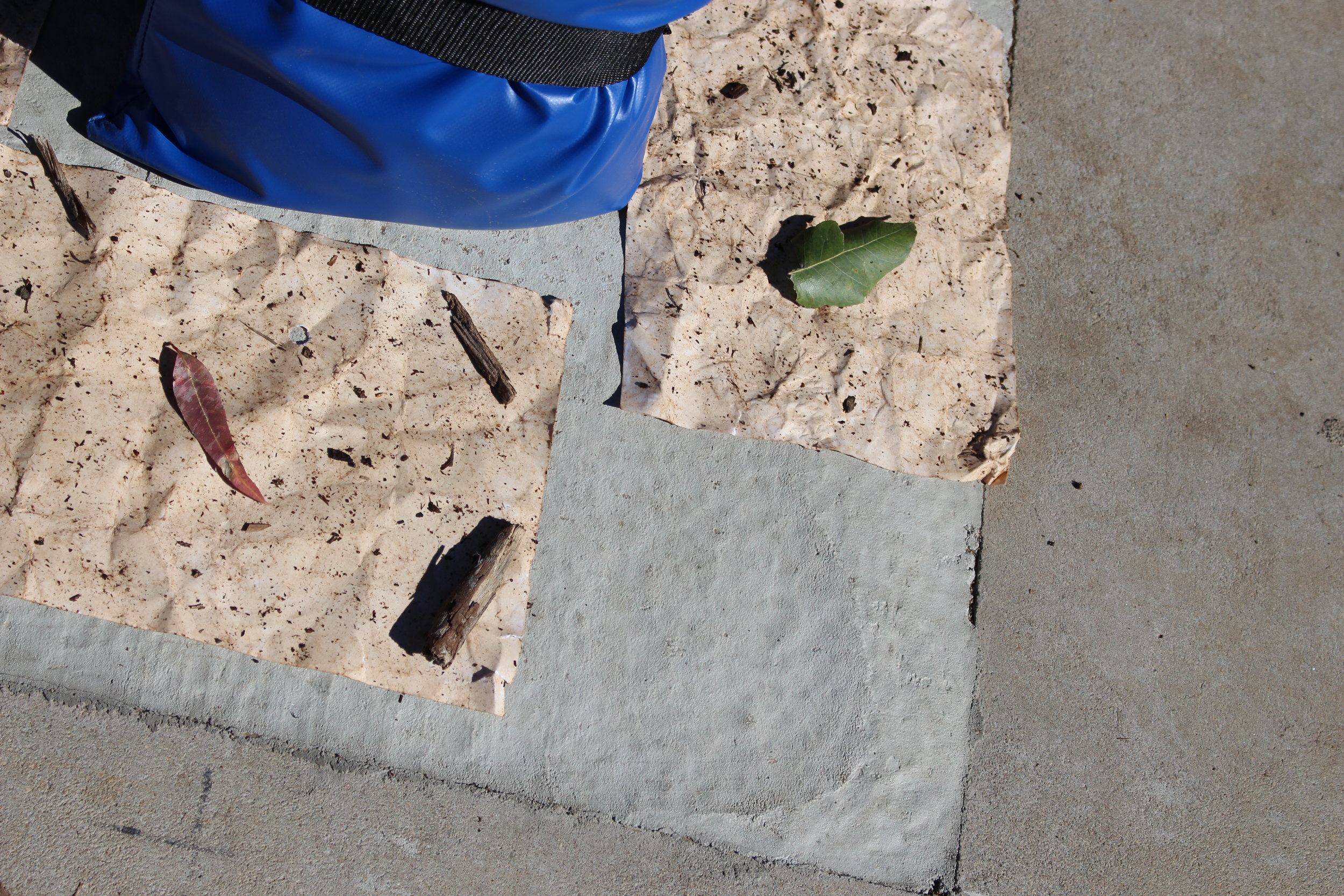
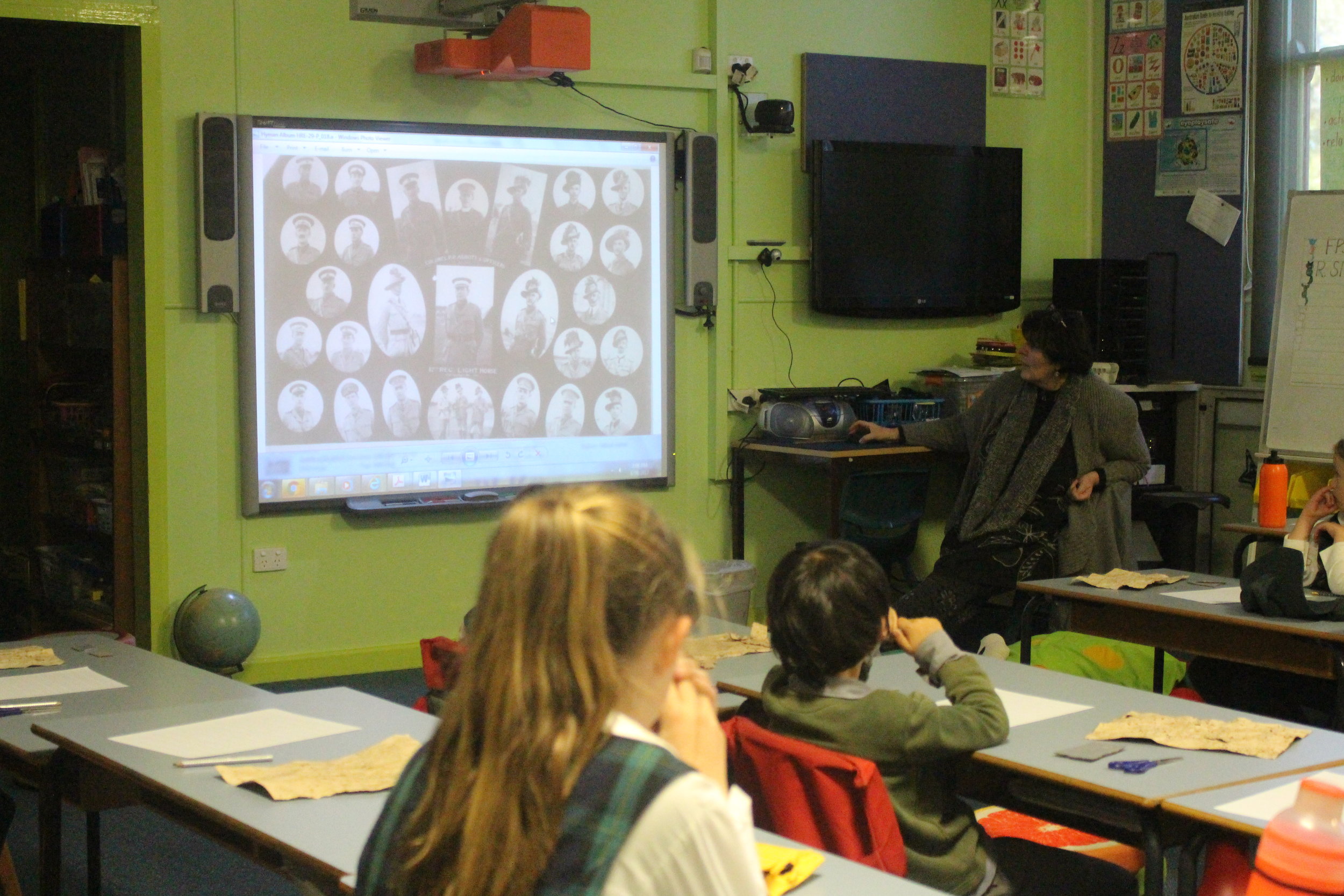
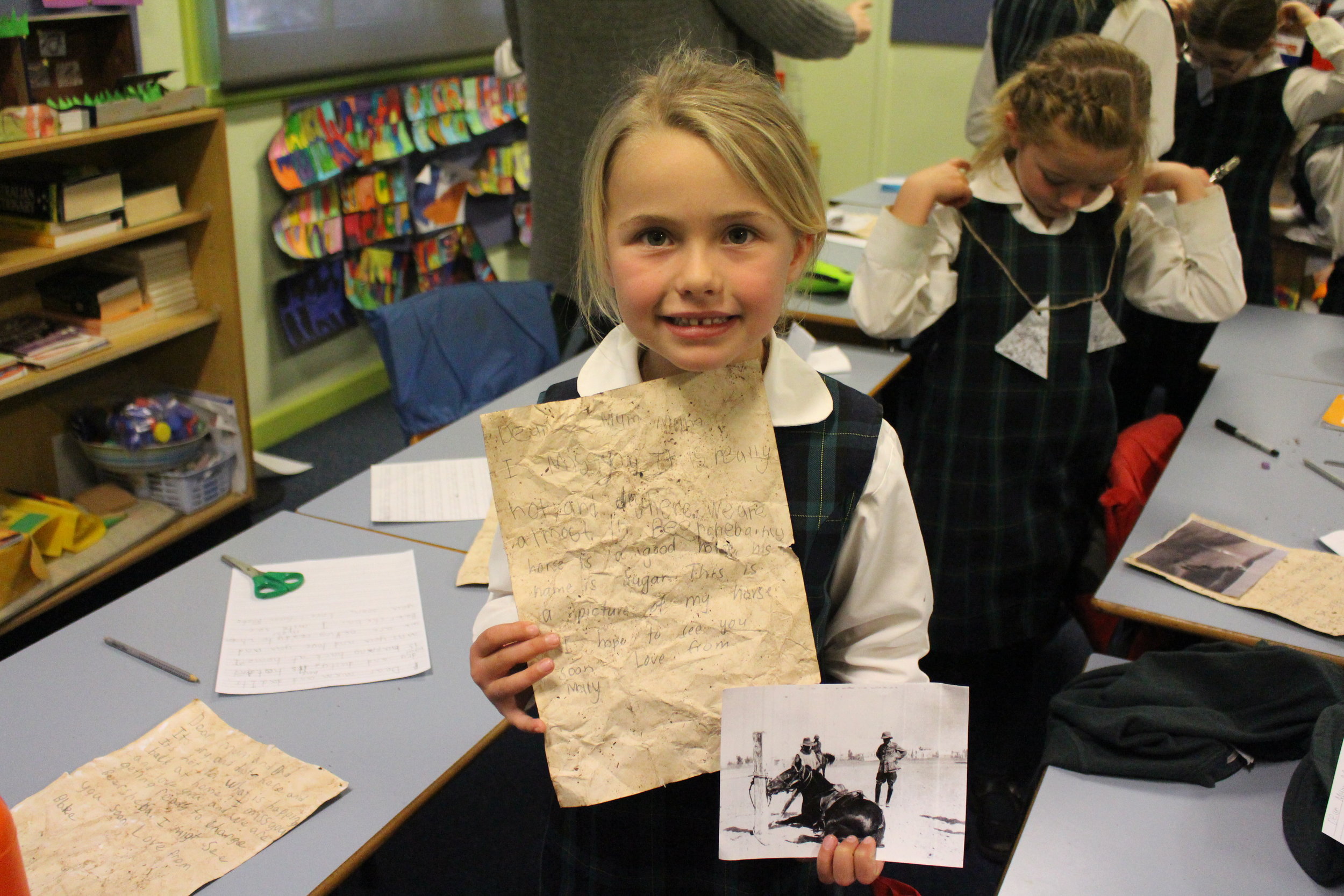
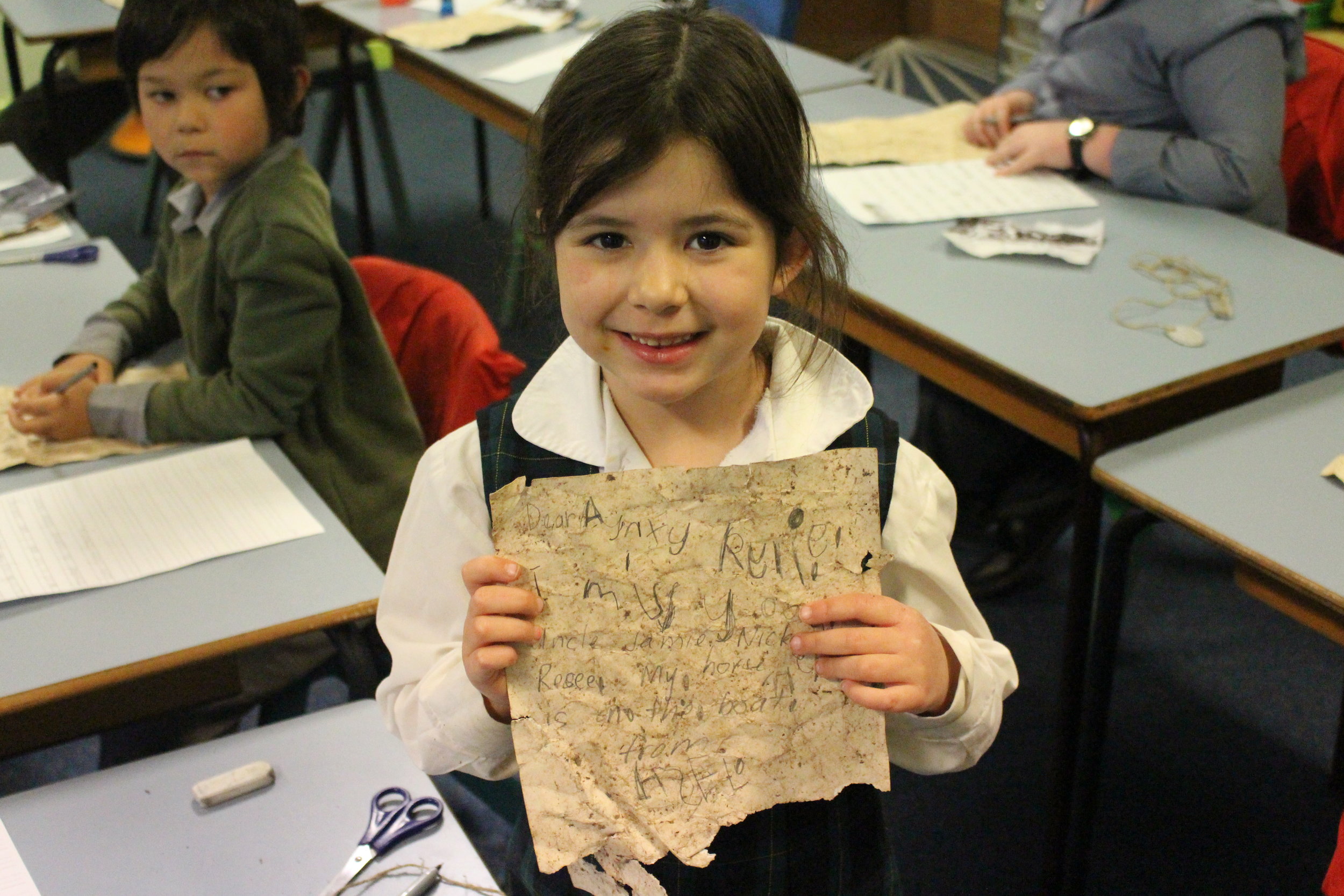
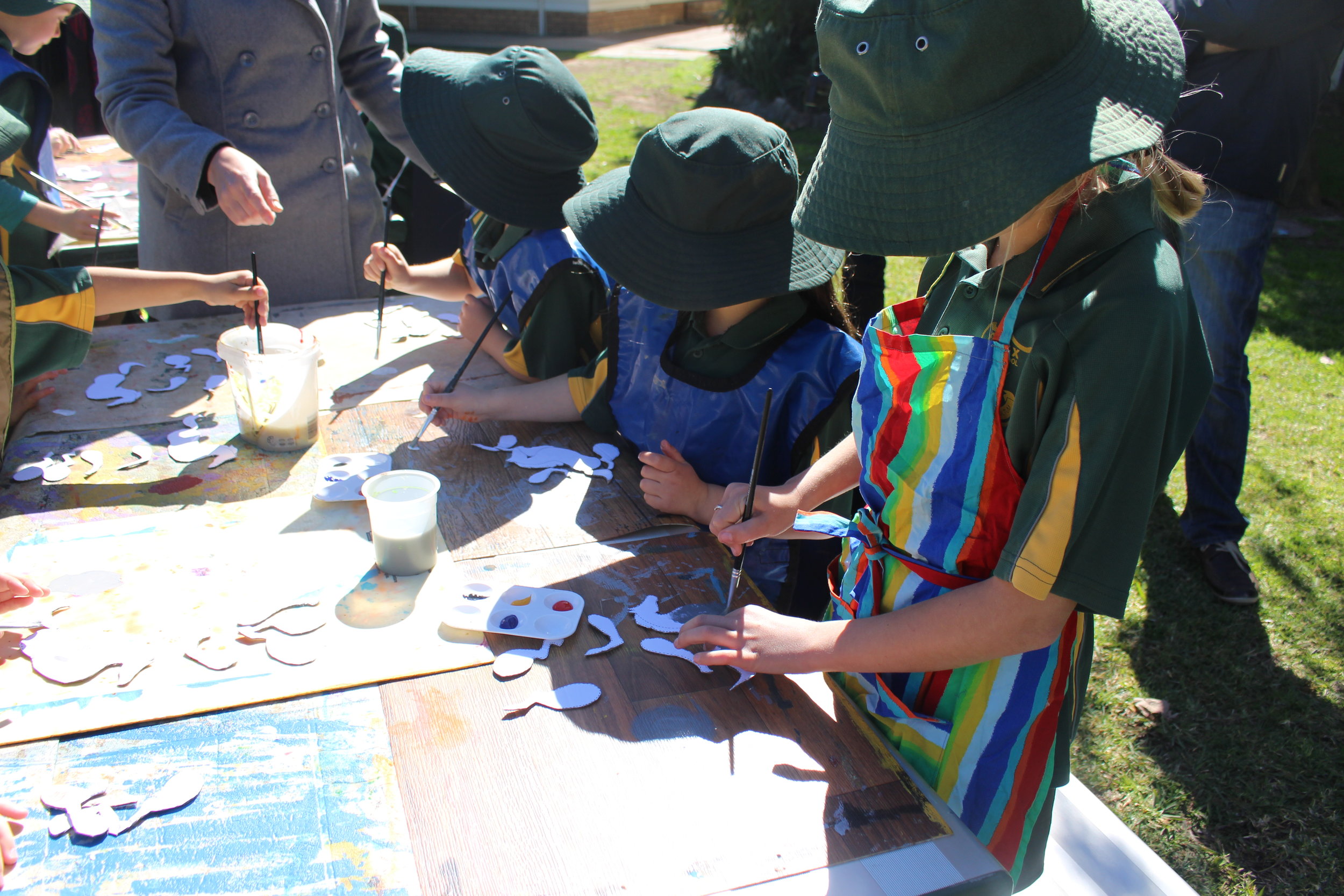
This innovative educational project brought history to life by assembling a collection of primary sources related to a historical battle, including objects, maps, diary extracts, letters, photographs, and digital content. The materials were curated into a small travelling suitcase, enabling interactive learning experiences for students.
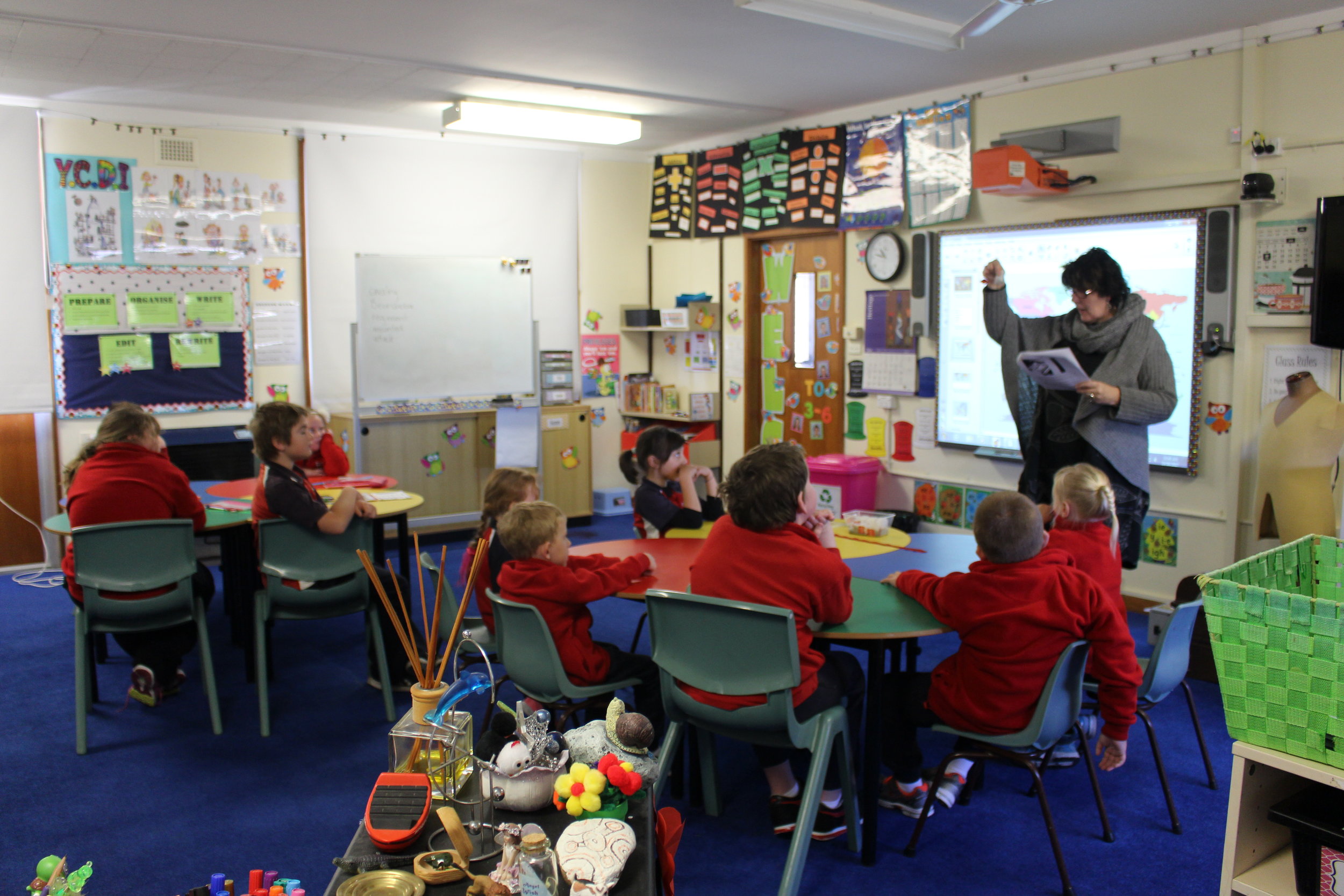
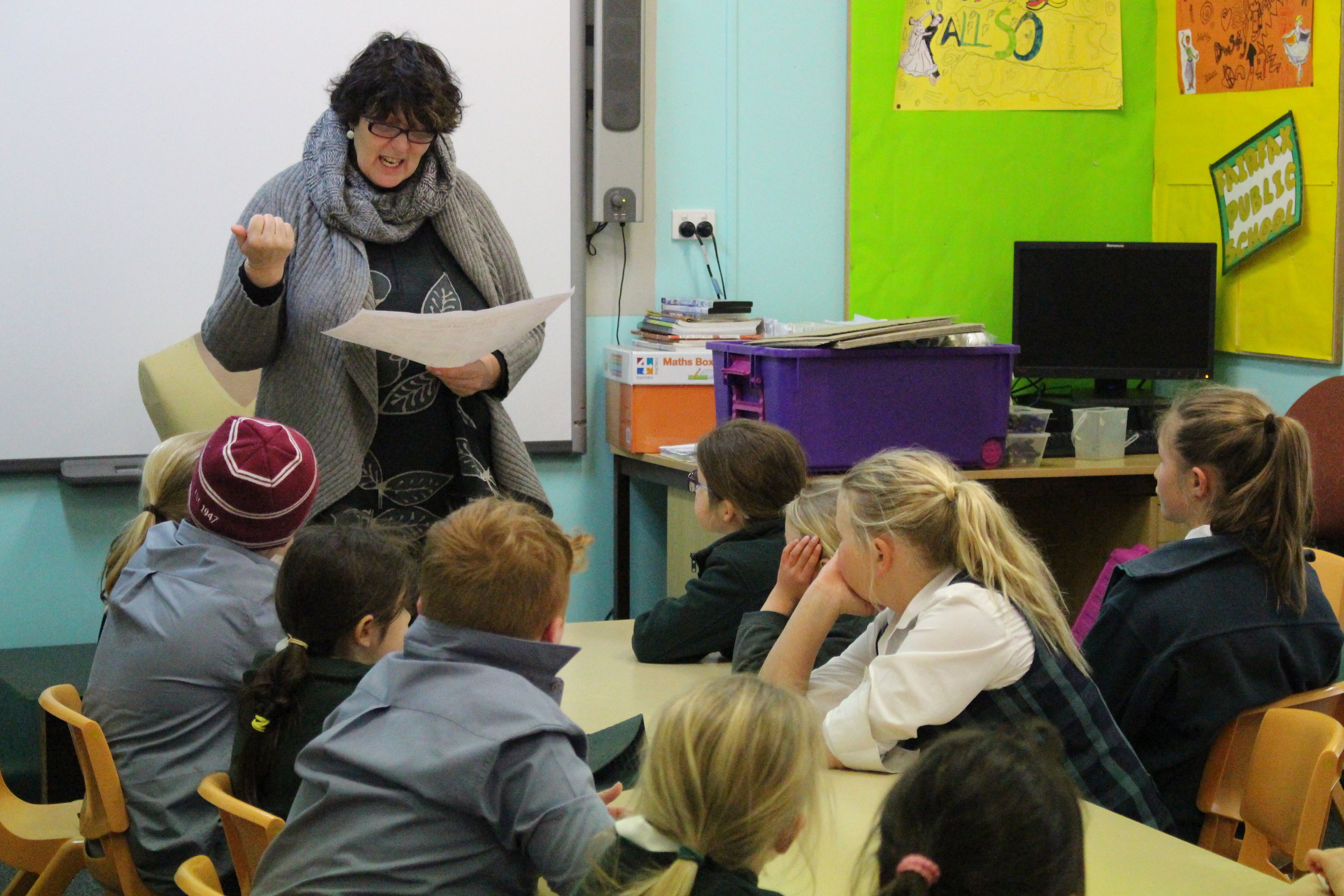
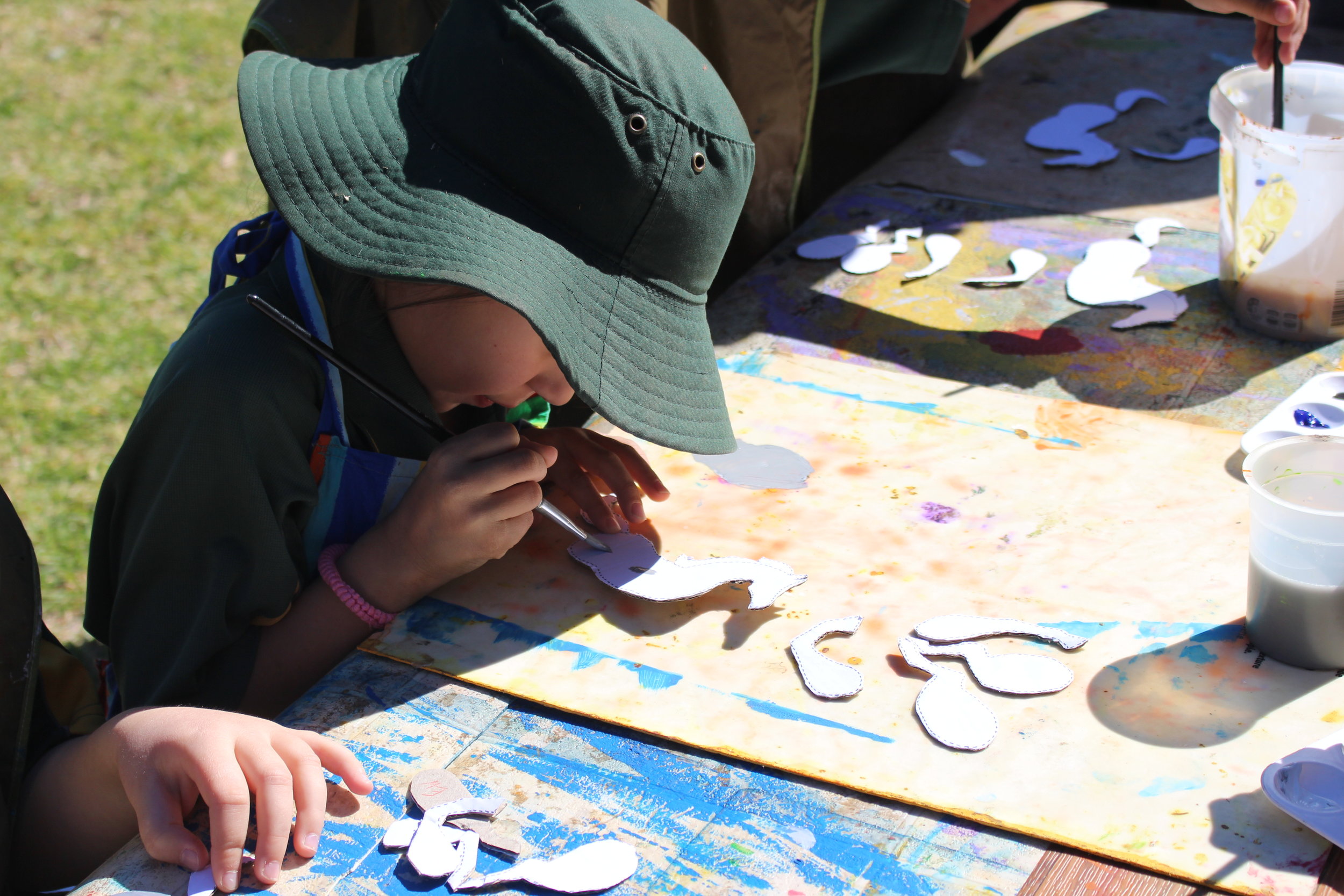
An arts educator facilitated the program, traveling with the suitcase to five small schools in the following regions:
Tenterfield Shire
Moree Plains Shire
Armidale Regional
Uralla Shire
Narrabri Shire
Educational Impact
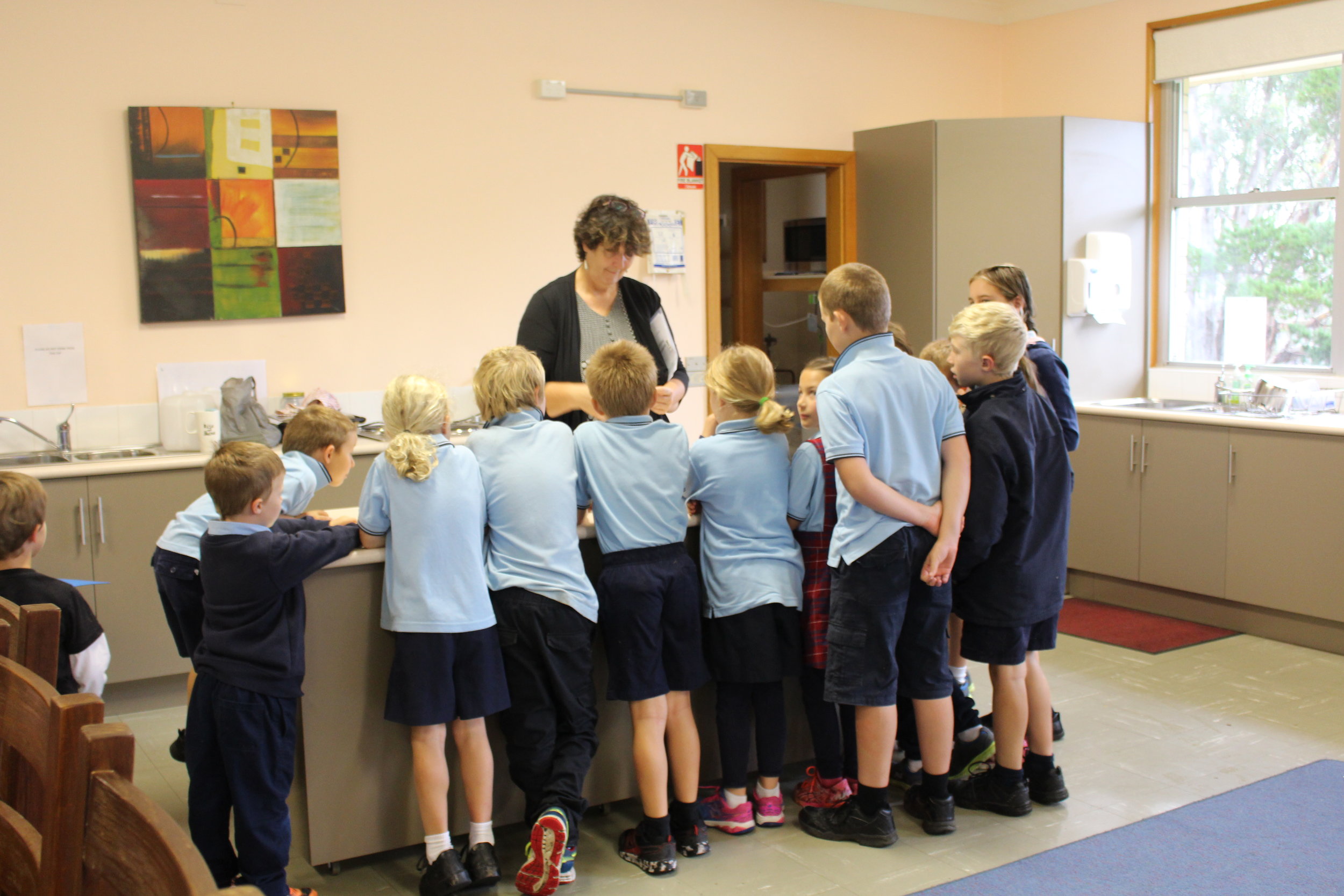
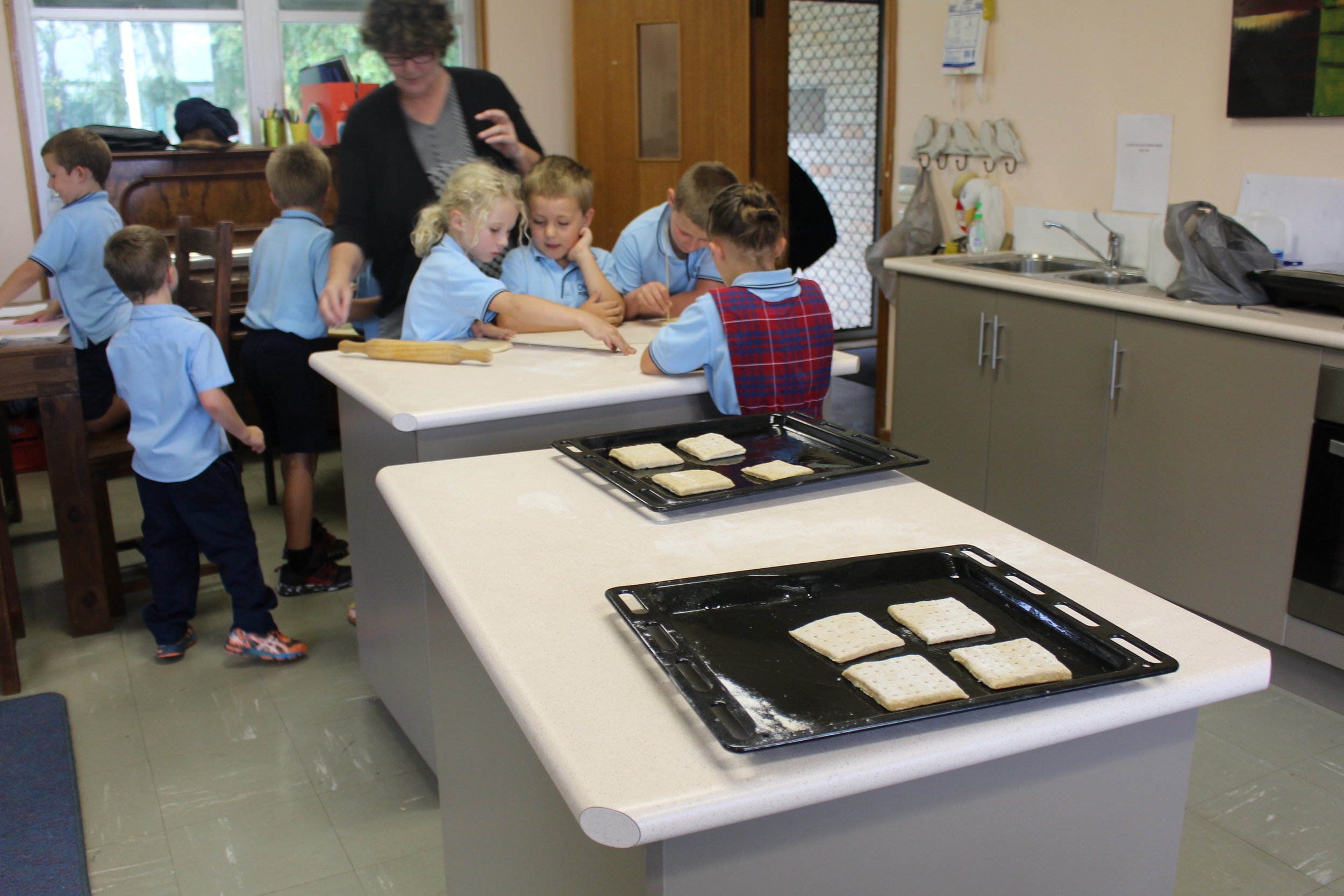
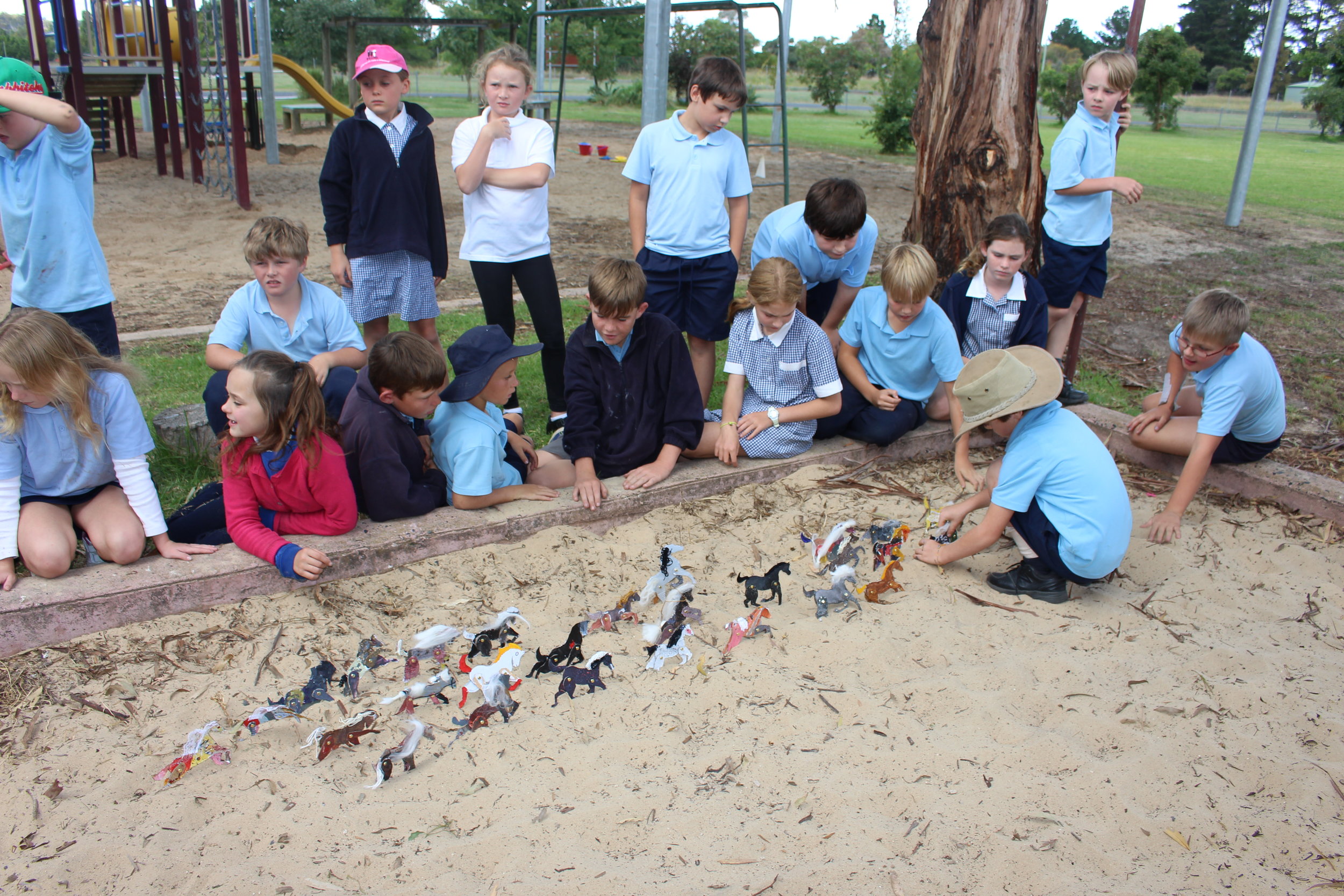
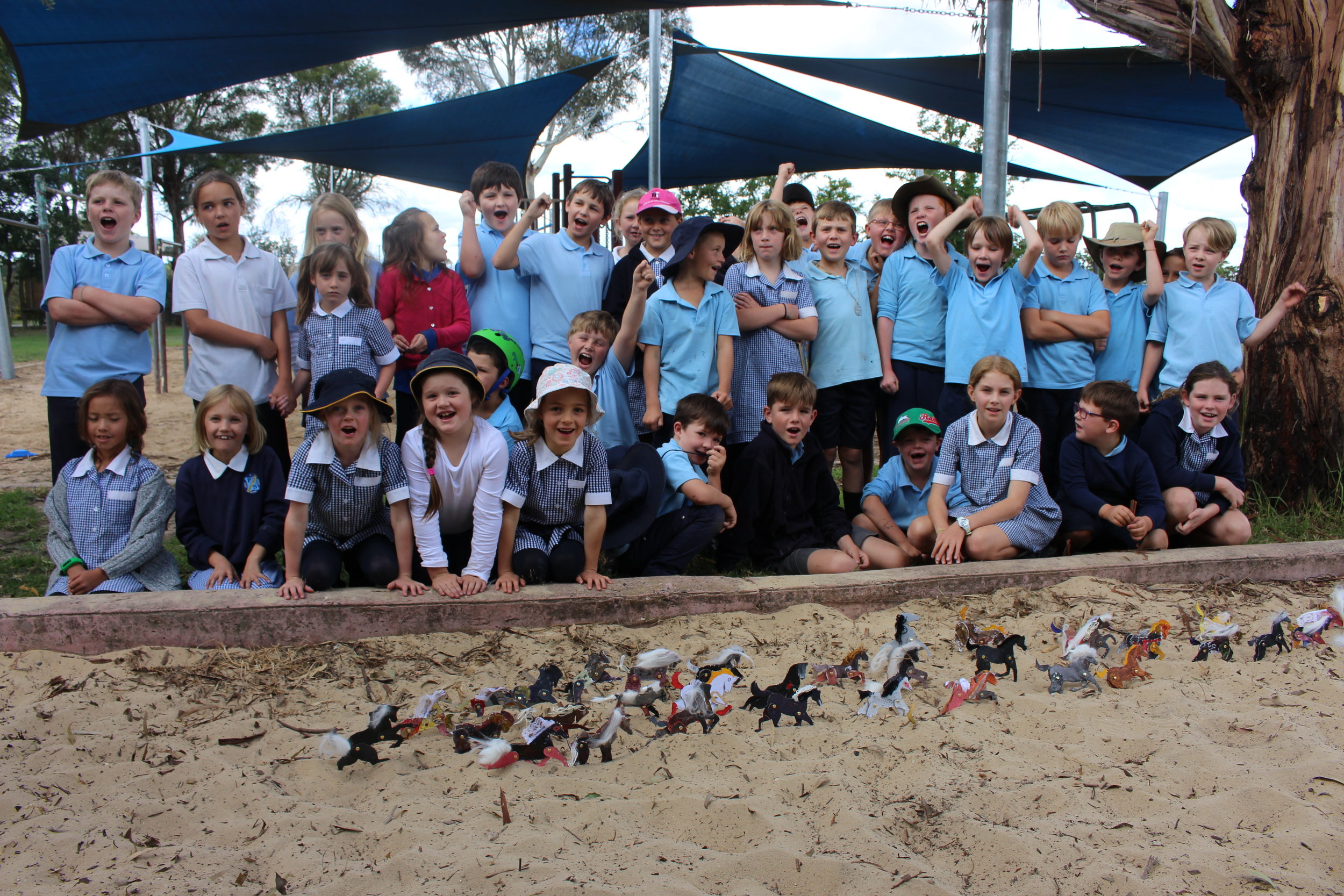
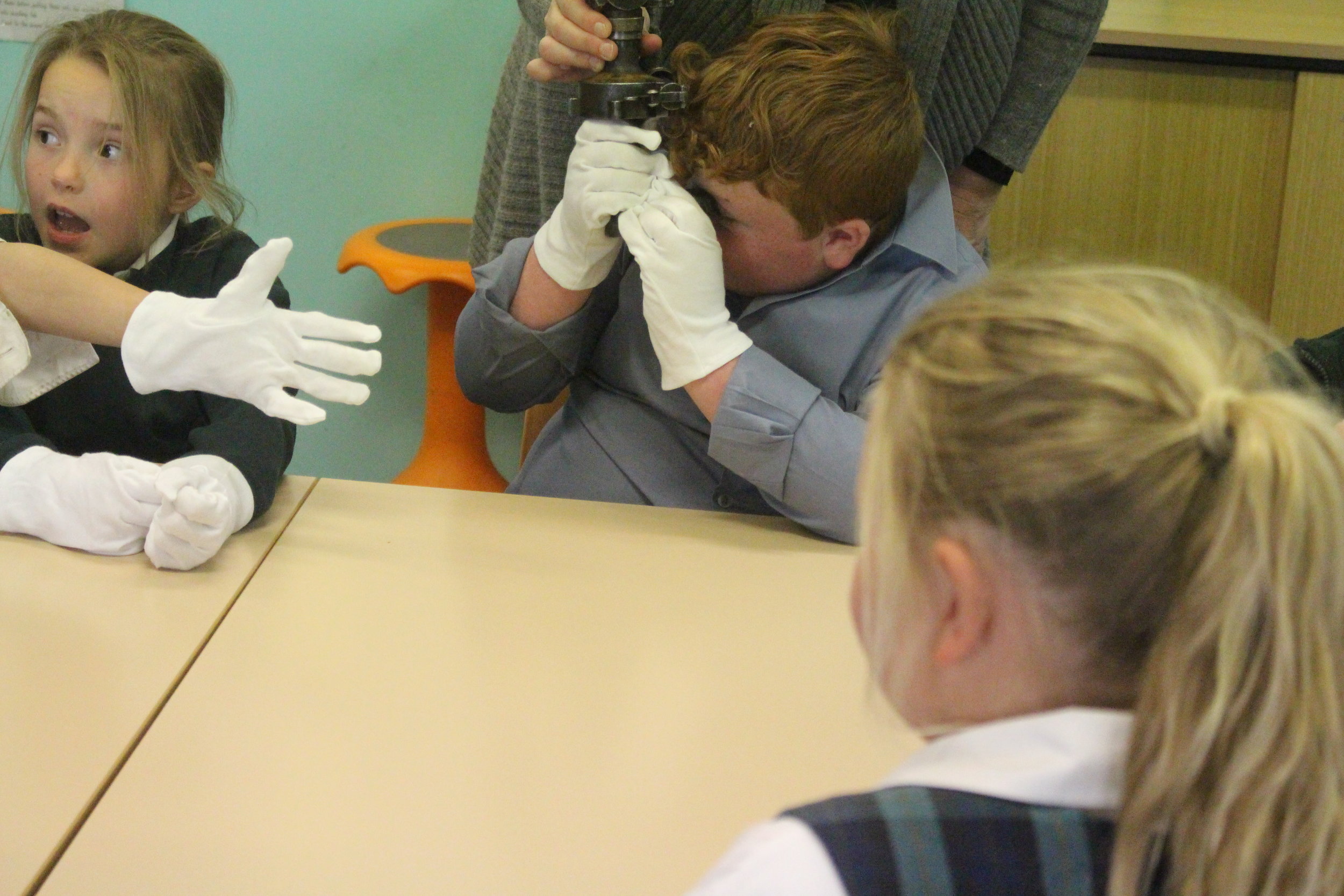
Hands-On Learning: Students had the opportunity to interact directly with historical artifacts and documents, fostering a deeper understanding of the battle’s historical context.
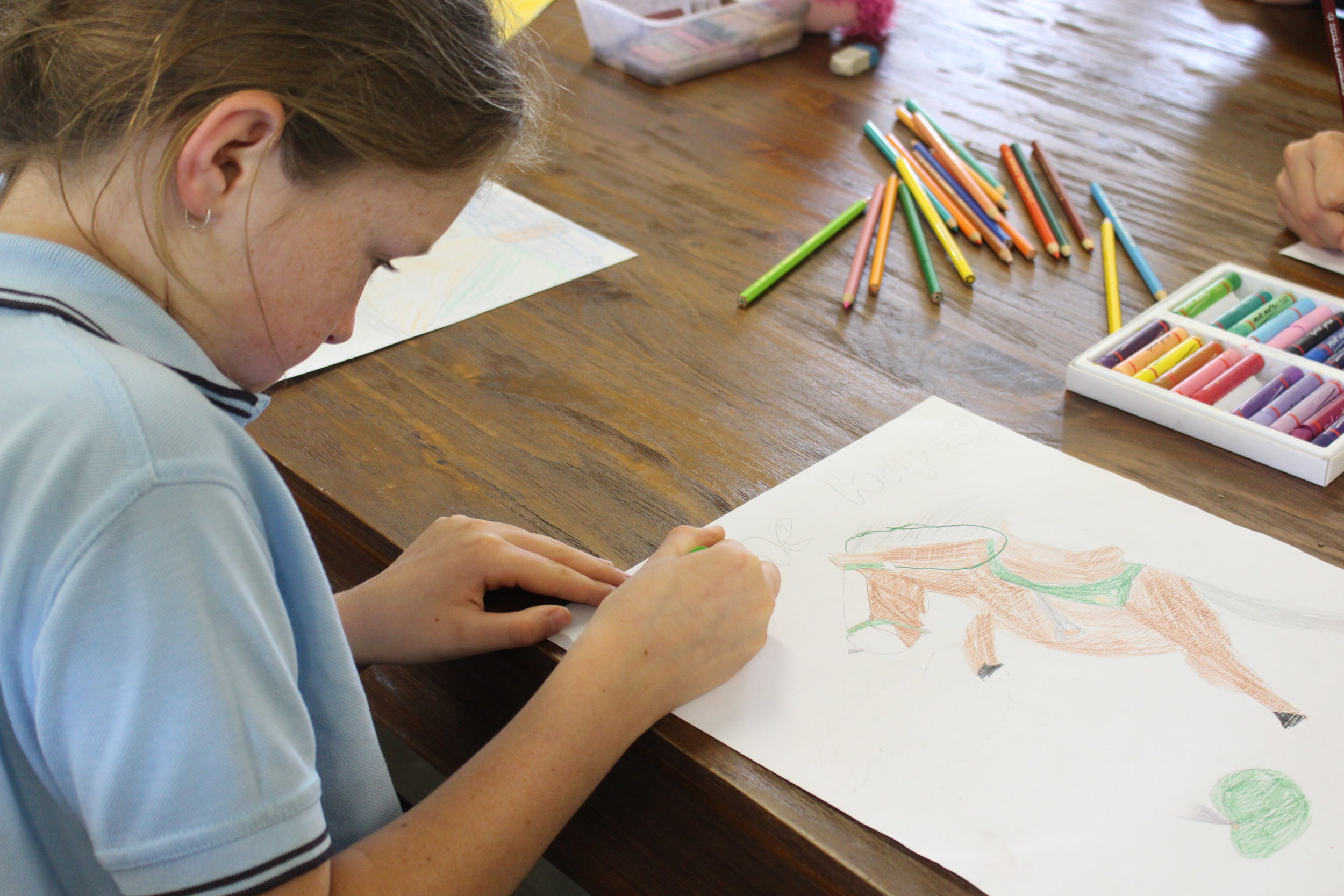
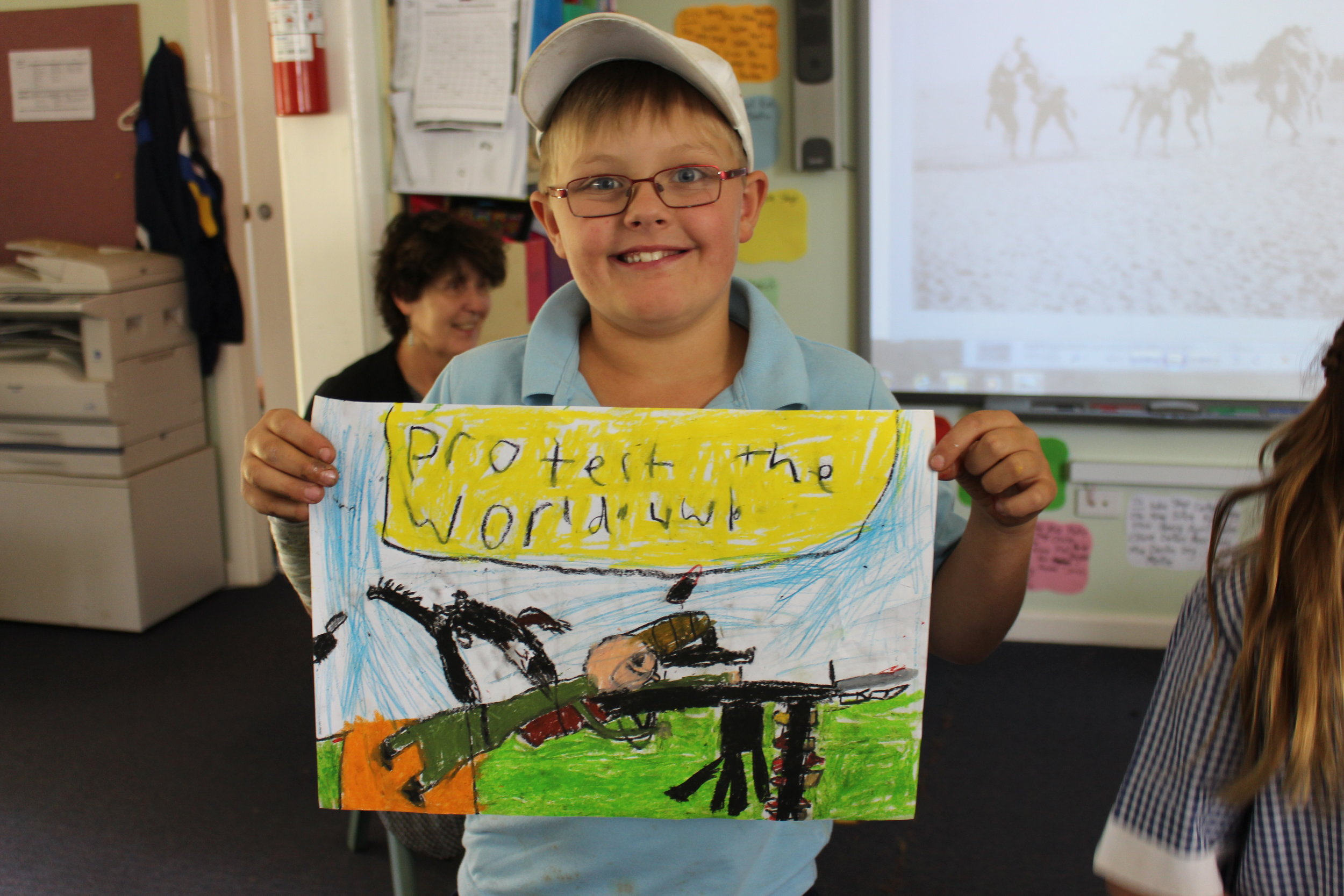
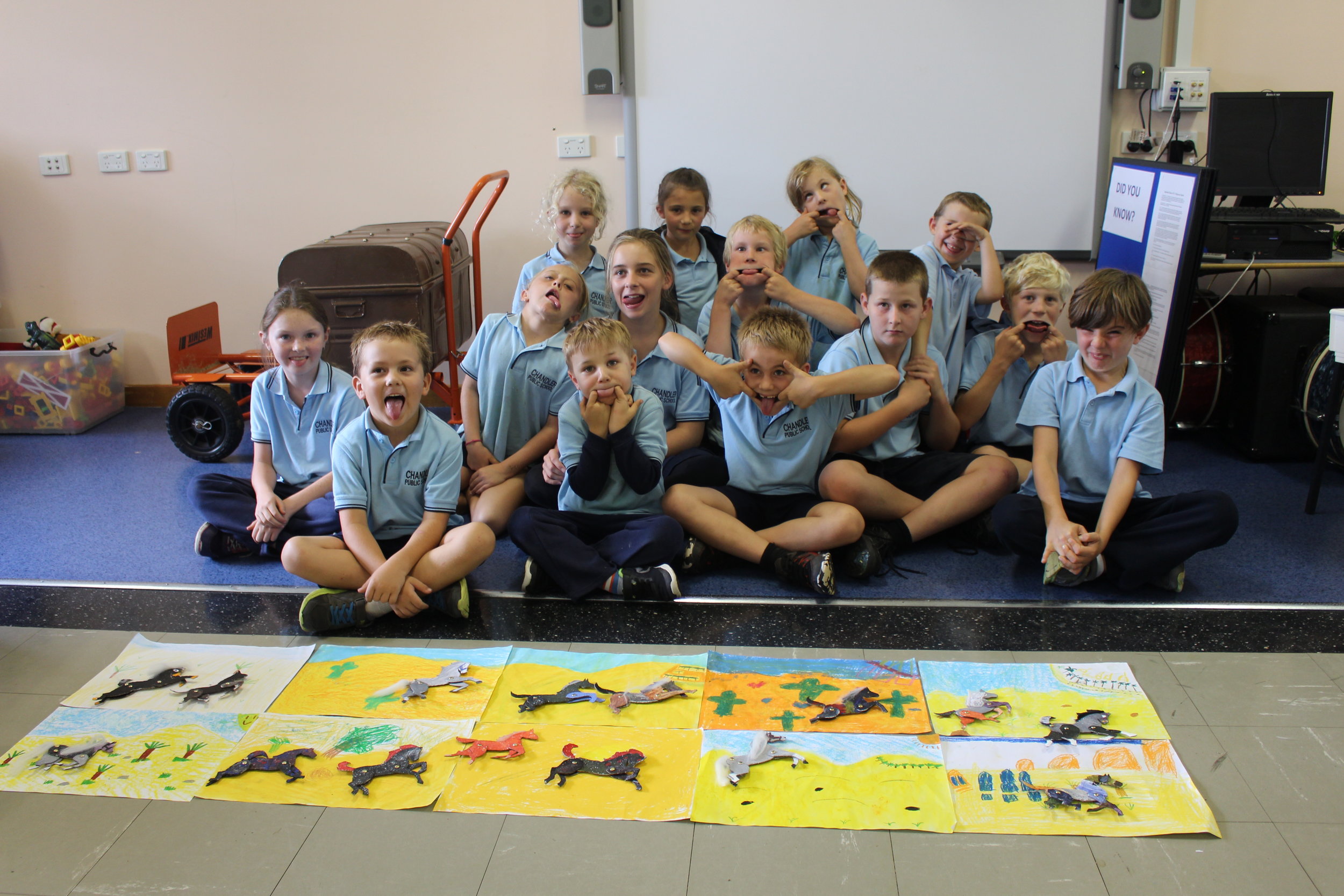
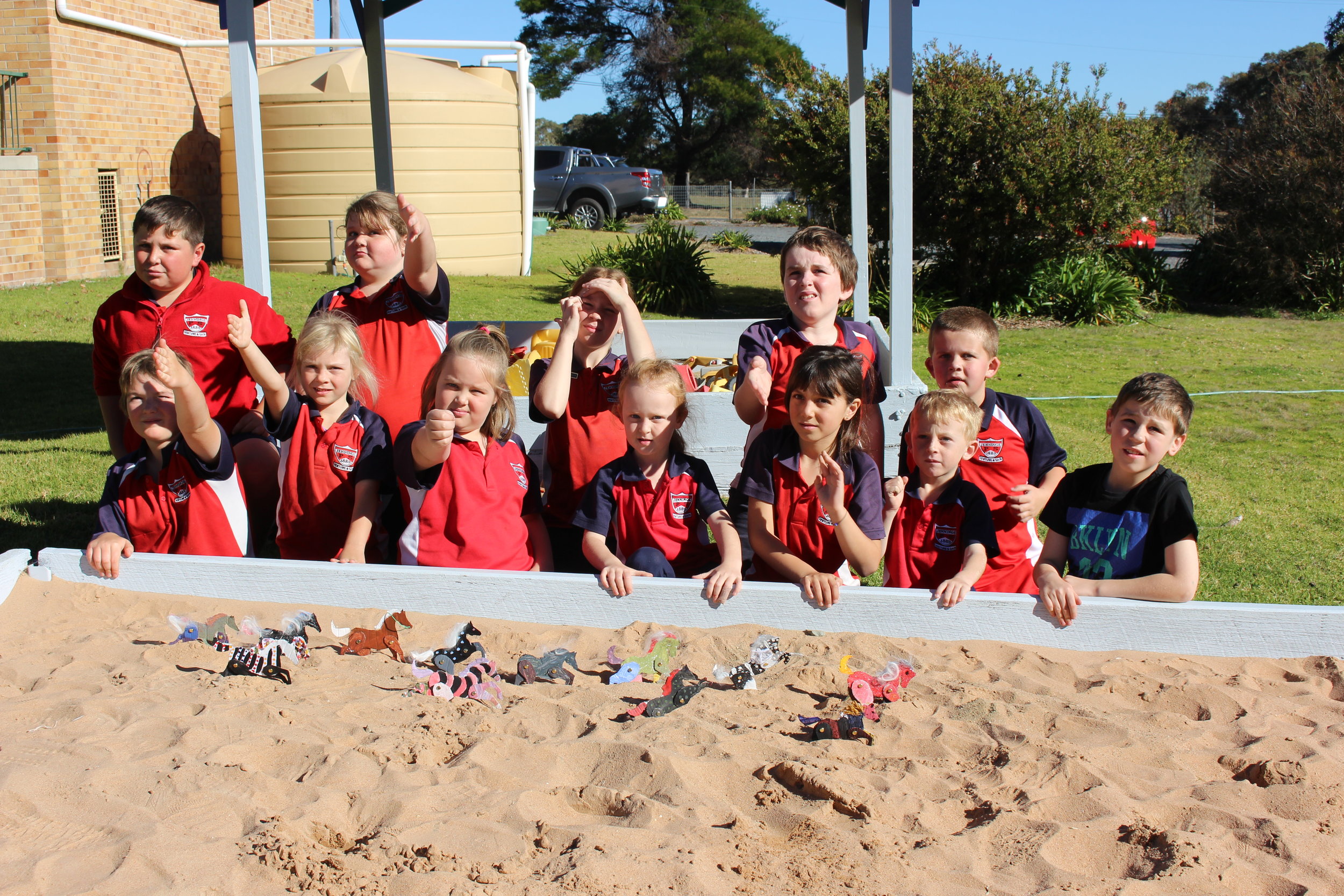
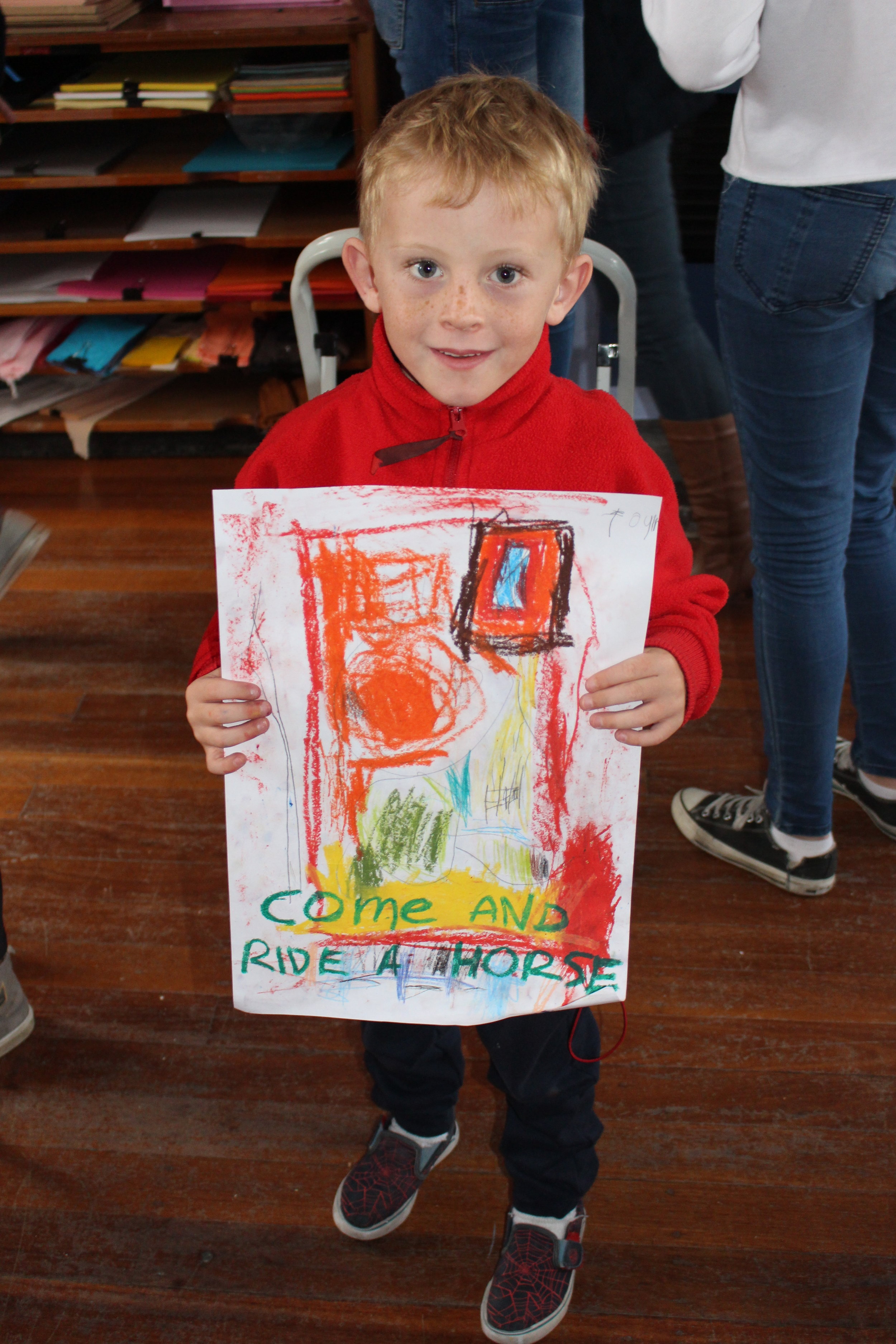
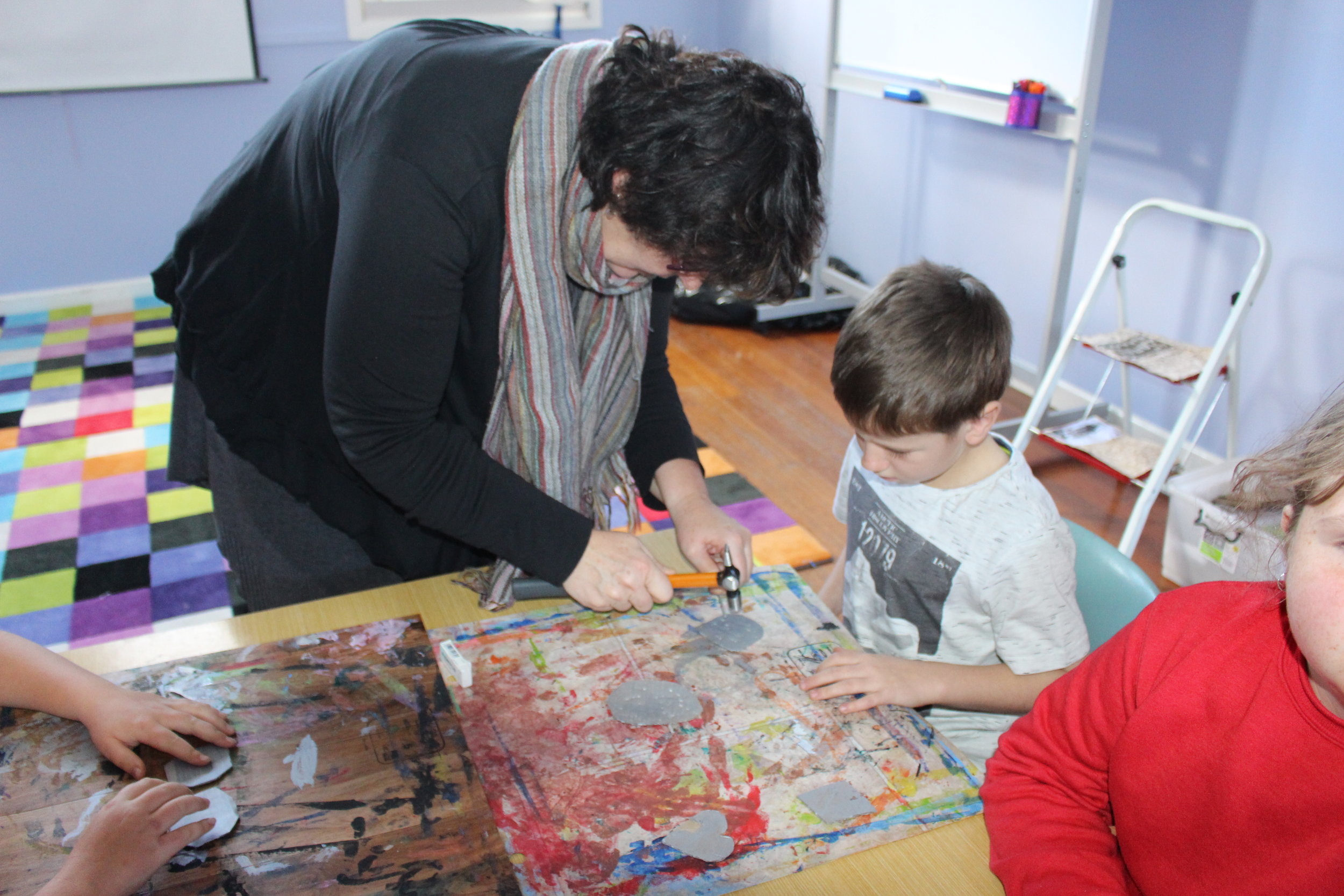
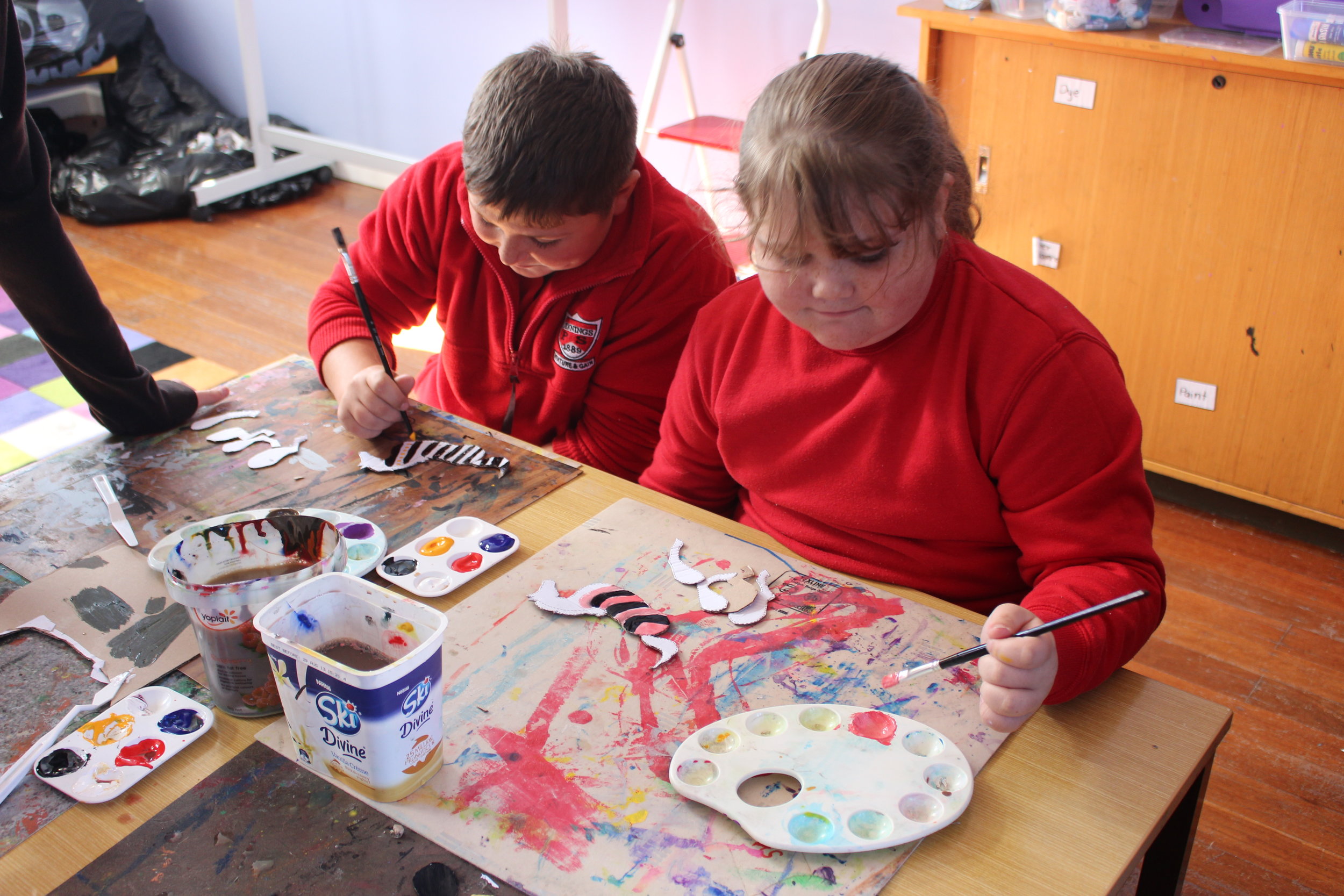
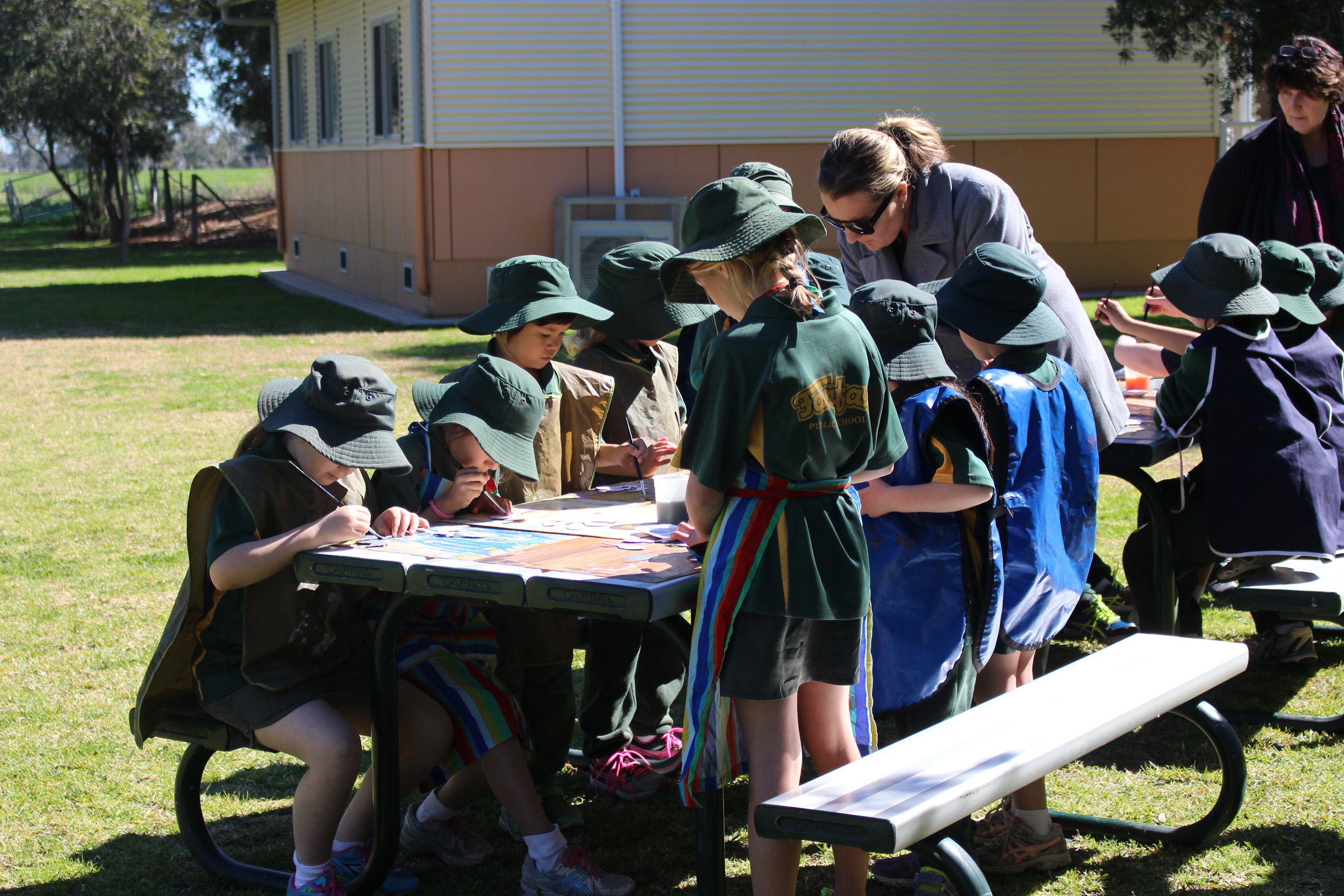
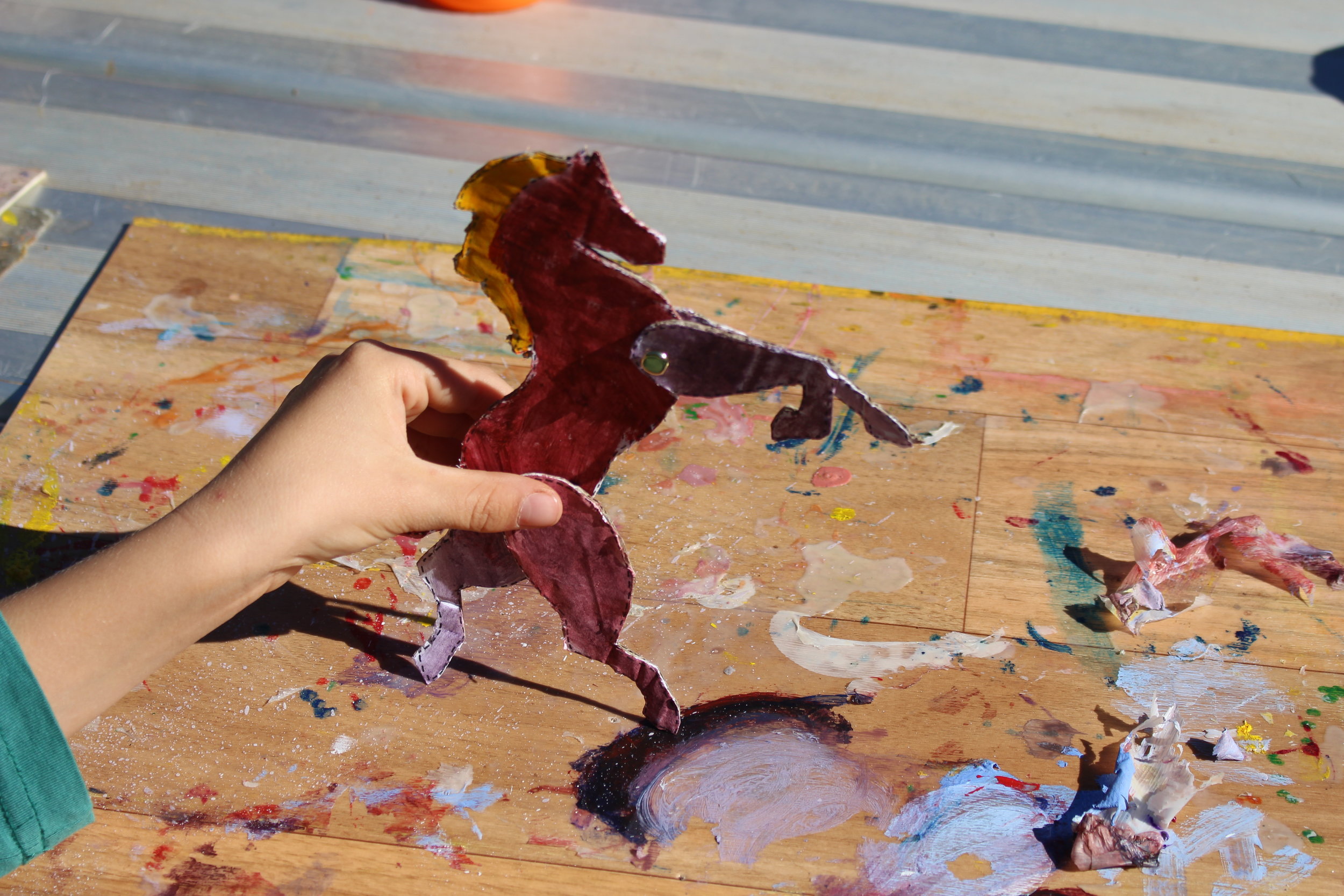
Cross-Disciplinary Engagement: The project integrated history, literacy, and arts education through the use of diverse materials and creative teaching methods.
Community Outreach: By targeting small schools, the initiative ensured that students in remote or underserved areas benefited from this rich educational experience.
This project demonstrates the value of mobile, artifact-based learning in making history accessible and engaging for students in regional areas.